

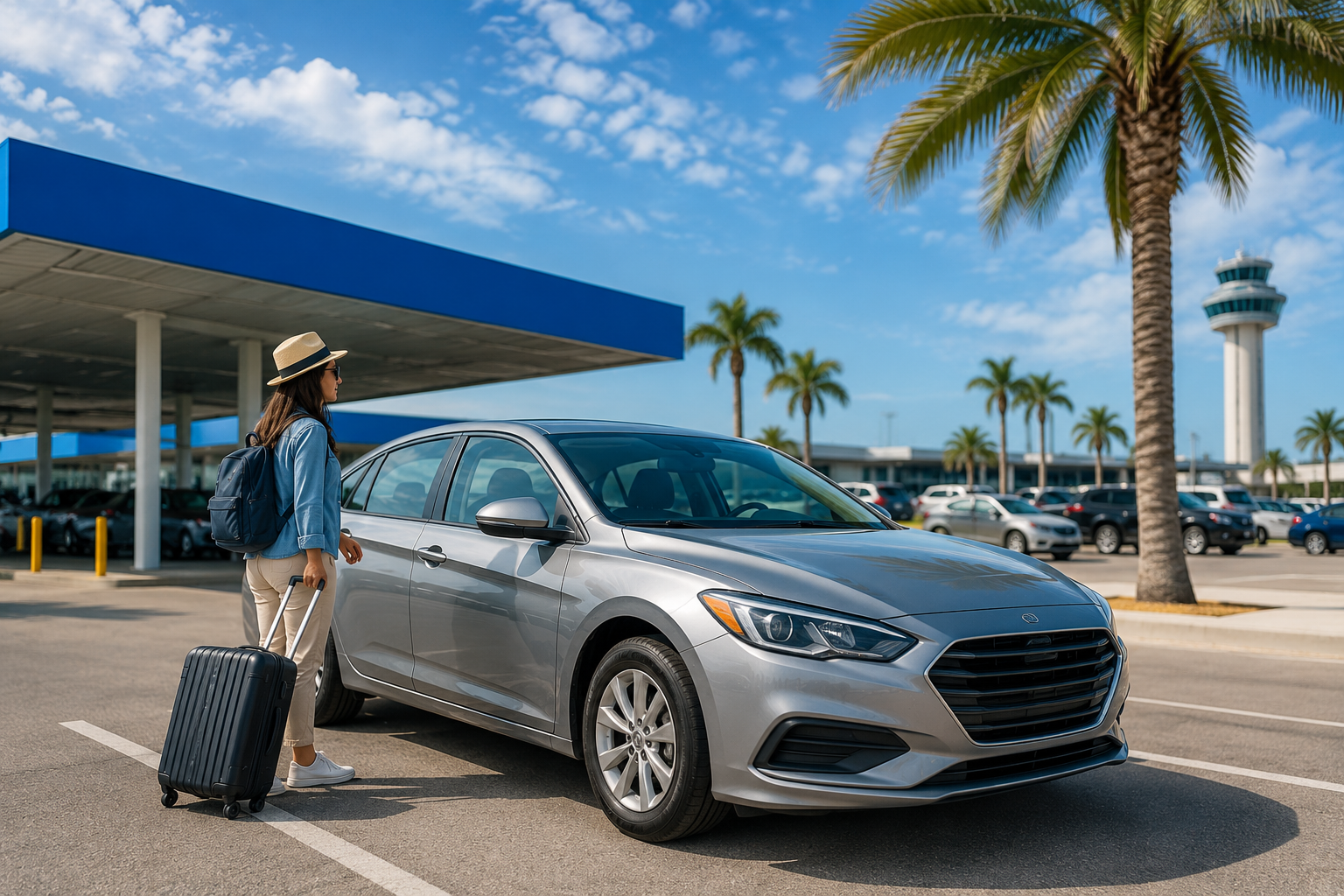
Alamo has been one of the go‑to names for airport car rentals for decades, especially in the United States, Latin America, and the Caribbean. Founded in 1974 and now under the Enterprise‑Alamo–National umbrella, the brand markets itself on low everyday rates, a wide range of vehicles, and a simple booking process. But behind the “cheap car rental” tagline, real customer experiences are mixed, with some travelers swearing by Alamo and others calling it frustrating and full of hidden fees.
In this detailed review, we’ll walk you through every step of using Alamo—how to book, pricing, extras, damage policies, and real‑world experiences—with real customer reviews, a comparative table versus other rental brands, and at least 10 FAQs to help you decide if Alamo is right for your next trip.
How Alamo Works – Basic Overview
Alamo operates primarily at airports and major city locations across North America, Latin America, the Caribbean, parts of Europe, and some Asia‑Pacific and Middle‑East markets.
Key features:
-
No‑frills model with a focus on economy and compact cars, though it also offers SUVs, minivans, and some premium models.
-
Online booking through Alamo.com or via third‑party aggregators like Rentalcars.com.
-
Tools such as online check‑in and the Drive Happy app to speed up pickup and manage your reservation.
How to Book a Car with Alamo
The booking process itself is straightforward:
-
Select trip and pick‑up details
-
Enter your pick‑up location, date, and time (often tied to a flight arrival at airports).
-
Choose drop‑off location (one‑way rentals are available but can be more expensive).
-
-
Pick a vehicle category
-
Options typically range from Economy or Compact, through Midsize, SUV, Minivan, and up to Premium/Convertible.
-
Within each category, you do not usually pick a specific car; you get a similar vehicle in that class.
-
-
Add extras
-
Navigation, GPS, child seats, ski racks, SiriusXM radio, and sometimes additional drivers.
-
-
Review rates and fees
-
Base rate, taxes, airport surcharges, “concession recovery fees,” and extras are listed during checkout.
-
-
Confirm with a credit card
-
Alamo requires a credit card in the driver’s name both online and in‑person; debit cards are often not accepted or require extra verification.
-
Pricing, Rates, and Hidden Fees
Alamo advertises “low everyday rates,” but many customers say the final price at the counter is higher than the initial quote.
What typically shows up:
-
Base daily or weekly rate (often $90–$160 per day depending on location and vehicle).
-
Airport surcharges and concession fees that can add 10–30% to the total.
-
Premium fuel charges if you don’t return the car with a full tank (or with the exact fuel level the car had at pickup).
Fuel policy differences:
-
Some locations use pre‑paid fuel options where you pay for a full tank in advance but may not refill yourself.
-
Others charge a per‑gallon rate at the counter, which can be higher than local petrol prices.
Extra fees sometimes reported:
-
Damage protection, liability insurance add‑ons, young‑driver surcharges (under 25), and additional‑driver fees.
What the Car Is Actually Like
Alamo’s fleet mainly consists of modern, popular brands such as Toyota, Ford, Nissan, and Hyundai, with a strong emphasis on compact and SUV‑style vehicles.
Typical positives:
-
Well‑maintained cars in many locations, with clean interiors and reliable performance for short trips.
-
Good air‑conditioning and basic tech (Bluetooth, USB, sometimes Apple CarPlay/Android Auto on newer vehicles).
Typical complaints:
-
Older‑looking cars, interior wear and tear (scratched dash, worn seats), and low‑level dings and scratches already on the body.
-
Lack of specific model choice; you may expect a “compact SUV” but get a slightly smaller crossover.
Pick‑Up and Customer Service Experience
At the counter, Alamo often uses online check‑in or kiosks to reduce waiting, but the real experience depends heavily on the location and staff.
Common positives:
-
Fast queue at some airports where agents are trained and the system is streamlined.
-
Helpful staff who explain rental terms, damage policies, and fuel rules.
Common complaints:
-
Long lines at peak hours, especially after big flight arrivals.
-
Agents who push extra insurance or GPS add‑ons instead of answering basic questions clearly.
-
Confusion over damage photos and “pre‑existing damage” not being properly documented.
Damage Policies and Insurance
Alamo requires customers to choose some form of damage protection or insurance.
Common options:
-
Collision Damage Waiver (CDW) – reduces your financial responsibility in case of damage, usually with a deductible.
-
Loss Damage Waiver (LDW) – broader coverage including theft and sometimes tire damage.
What travelers say:
-
Several reviews mention that small scratches or dents were charged even when the car had existing damage.
-
Others report that the survey‑based pricing and mandatory insurance felt like a “fee trap,” especially at certain airports.
Tip:
-
Walk around the car and take photos or video before driving away.
-
Ask the agent to note any existing damage on your paperwork and in the app, if possible.
Fuel and Return Process
Fuel policy is one of the most controversial parts of the Alamo experience.
How it usually works:
-
You either return the car with a full tank or pay Alamo’s per‑gallon rate (often higher than local pumps).
-
Some locations offer pre‑paid fuel when you pick up, where you pay for a full tank in advance and can return the car with any level of fuel.
What travelers dislike:
-
Being told at the counter that the car must be returned with exactly the same fuel level or face a big extra charge.
-
The gap between local petrol prices and Alamo’s per‑gallon rate, which can make the fuel add‑on feel expensive.
At return:
-
Quick inspection, fuel check, and final billing.
-
If you’ve opted for insurance, the process often wraps up faster; if not, they may scrutinize the car more closely.
Real Customer Reviews – What People Are Saying
Here’s a snapshot of real‑world sentiment from multiple review platforms.
Positive tendencies:
-
Many travelers appreciate the low base rates and easy online booking, especially for short airport trips in the U.S.
-
Users based in Australia and Europe sometimes report friendly staff and quick service when the location is not too busy.
Negative tendencies:
-
On Trustpilot and similar sites, Alamo has a “Poor” or below‑average TrustScore, with many 1‑star reviews citing hidden charges, long lines, and aggressive add‑ons.
-
Several complaints mention damage disputes and fees that appeared only after the rental ended.
Example‑style user comments (paraphrased, as per review‑site wording but not copied verbatim):
-
“Great low price on the website, but the final bill at the counter was 50% more because of taxes and extras.”
-
“Car was clean and drove fine, but the agent kept pushing insurance and GPS even though I said I didn’t need them.”
-
“Got charged for a small scratch that was already there; had to argue and email receipts to get it removed.”
Alamo vs Other Major Rental Brands
Here’s a simplified comparison of Alamo with other big brands people commonly compare it to:
This table shows that Alamo competes mainly on price and availability, but not always on service quality.
Simple “Should You Rent From Alamo?
To help you decide quickly, here’s a shorter decision‑style table:
Frequently Asked Questions (FAQs)
1. Is Alamo really cheap or are the prices misleading?
Alamo often has low headline prices, but airport surcharges, fuel policies, and optional insurance can raise the final bill. Always read the total before confirming.
2. Do I need a credit card to rent from Alamo?
Yes. Alamo requires a credit card in the driver’s name at both online and in‑store bookings in most markets.
3. Can young drivers (under 25) rent from Alamo?
Yes, but many locations charge a young‑driver surcharge (under 25), and some may have minimum age restrictions.
4. What fuel policy does Alamo use?
Most locations use full‑to‑full (return the car full) or pre‑paid fuel options. If you don’t refill or pre‑pay, you’ll pay a per‑gallon rate that can be higher than local pumps.
5. Is Alamo’s insurance necessary or can I decline?
You can usually decline Alamo’s insurance if you already have coverage via your credit card, personal auto insurance, or travel insurance, but check the fine print with your provider.
6. Does Alamo allow one‑way rentals?
Yes, you can typically pick up in one city and drop off in another, but these rentals are usually more expensive and may have extra restrictions.
7. Are roadside‑assistance and breakdown support included?
Alamo provides 24/7 roadside assistance in many regions, but coverage details vary by country and how you book. Check your specific rental terms.
8. How can I avoid hidden damage charges?
Walk the car with the agent, take photos/video, and ask them to note any existing scratches or dents on the rental agreement. Save your pre‑drive media.
9. How does Alamo compare with aggregators like Rentalcars or Kayak?
Aggregators often show Alamo as one of the cheapest options, but prices can be similar when you add all fees. Always compare the final total with Alamo’s own site.
10. Is Alamo a good choice for first‑time international renters in the U.S.?
Yes, because Alamo has many airport locations and simple English‑language systems, but be ready for upselling. If you want a smoother, less‑pushy experience, Enterprise or Hertz may feel better, though often at a higher price.
Final Verdict: When Alamo Is Worth It
Alamo is worth considering if:
-
You are on a tight budget and want one of the cheaper airport‑pickup options.
-
You’re comfortable reading the fine print and managing extra fees.
-
You’re using a discount site or an offer that makes Alamo cheaper than others.
Alamo may not be the best fit if:
-
You strongly dislike upselling or aggressive add‑ons at the counter.
-
You want consistent, high‑quality customer service or a very smooth damage‑and‑insurance process.
Booking from Alamo can save money; just enter “Alamo Car Rental Review – Everything You Need to Know Before Booking” into your browser as you plan your trip, and use the tips above to keep your total in check and your experience as smooth as possible.
