

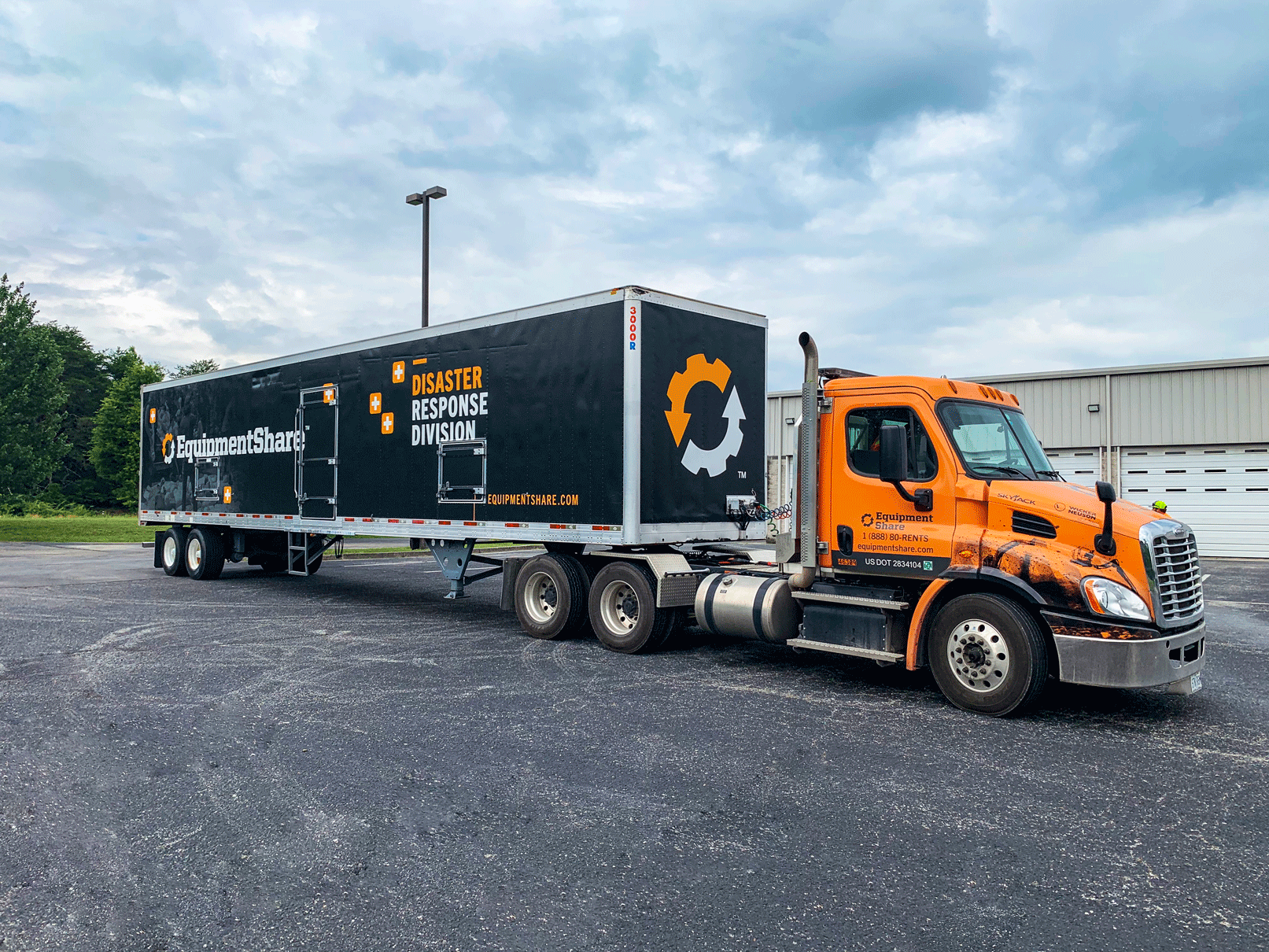
Construction, infrastructure, and industrial operations run on tight schedules where a single piece of missing or malfunctioning machinery can stall an entire jobsite. For contractors, fleet managers, and project owners, choosing an equipment partner is no longer just a matter of finding the lowest daily rate—it requires reliable availability, transparent logistics, real-time asset visibility, and responsive field support.
EquipmentShare (accessible at equipmentshare.com) has positioned itself at the intersection of heavy equipment rental, used machinery sales, and jobsite telematics software. Unlike traditional rental houses that treat software as an afterthought or marketplaces that simply broker third-party inventory, EquipmentShare builds connected equipment alongside its T3 operating platform to give contractors visibility into machines, fuel, maintenance, and utilization from a single interface.
This review examines EquipmentShare across its fleet offerings, rental and purchasing workflows, T3 technology stack, pricing dynamics, competitive standing against major industry players, and practical trade-offs so you can decide whether it fits your jobsite operations.
What Is EquipmentShare?
EquipmentShare is a construction equipment and technology company that provides heavy and light machinery rentals, used equipment sales, fleet management, and jobsite software. Its core value proposition centers on pairing physical equipment availability across a growing branch network with digital tools designed to reduce idle time, prevent unauthorized or unsafe operation, and streamline jobsite coordination.
Rather than functioning purely as a traditional brick-and-mortar rental counter or an asset-light brokerage, EquipmentShare operates an integrated model. Contractors can rent earthmoving, aerial, concrete, material handling, and power equipment, purchase inspected used units, and manage both rented and owned assets through its T3 platform.
EquipmentShare Overview
Founded in 2015 by brothers Willy and Jabbok Schlacks in Columbia, Missouri, EquipmentShare grew rapidly on the thesis that construction jobsites were under-connected and inefficiently coordinated. Early on, the company focused on outfitting equipment with telematics hardware and building software that helped contractors track machines and collaborate on site.
Over time, EquipmentShare scaled from a tech-enabled rental startup into a major national equipment provider with branches across the United States, serving general contractors, specialty subcontractors, utility crews, and industrial operators. Its growth has been driven by combining physical branch expansion, fleet diversification, and proprietary technology aimed at modernizing day-to-day jobsite workflows.
Equipment & Machinery Offered by EquipmentShare
A versatile equipment partner needs depth across multiple project phases—from site prep and trenching to structural work, material placement, and finishing. EquipmentShare maintains a broad catalog spanning heavy construction machinery, aerial access gear, and compact jobsite tools.
Earthmoving & Site Prep: Excavators (mini, mid-size, and heavy), skid steer loaders, compact track loaders, wheel loaders, dozers, motor graders, and articulated dump trucks for grading, digging, loading, and bulk material movement.
Aerial Work Platforms: Scissor lifts, articulating boom lifts, telescopic boom lifts, and vertical mast lifts for interior fit-outs, steel erection, facade work, and facility maintenance.
Material Handling & Lifting: Telehandlers (reach forklifts) in varying lift capacities and reach heights, rough-terrain forklifts, and industrial lifting solutions for placing pallets, lumber, steel, and building supplies.
Concrete & Compaction: Trench rollers, smooth drum rollers, plate compactors, rammers, concrete mixers, and surface preparation tools for soil compaction, paving, and concrete work.
Power, Lighting & Climate: Towable and portable generators, light towers for night or low-light shifts, air compressors, heaters, and air conditioning/air movement units for temp-sensitive sites.
Attachments & Jobsite Accessories: Buckets, hydraulic breakers/hammers, augers, forks, grapples, and specialty attachments that expand base-machine utility without requiring extra carriers.
Availability of specific models, sizes, and attachment packages varies by local branch inventory and seasonal demand, so confirming exact specs for a given zip code or jobsite is essential during quoting.
Key Features of EquipmentShare Explained
Several operational and technical capabilities distinguish EquipmentShare from conventional rental providers:
Integrated Telematics Out of the Box: Many units come equipped with factory or retrofit telematics that feed location, engine hours, fuel levels, fault codes, and movement alerts into a central dashboard rather than leaving fleet data trapped inside separate manufacturer portals.
Unified Fleet & Jobsite View: Contractors can view rented equipment alongside owned machines in one place, making it easier to balance workloads across crews and avoid renting duplicate gear when an owned unit sits idle.
Digital Rental & Account Management: Quotes, active rentals, delivery/pickup requests, billing details, and asset tracking can be coordinated digitally rather than relying solely on phone tag or paper tickets.
Preventive & Responsive Service Focus: EquipmentShare emphasizes maintenance tracking and field service workflows aimed at catching mechanical issues early and minimizing unplanned downtime on active sites.
Multi-Category Sourcing: Having heavy iron, aerial lifts, compact gear, and power/lighting under one roof simplifies vendor management for multi-phase projects.
Equipment Rental Services
EquipmentShare’s rental business is built around short-term, medium-term, and long-term project needs across commercial, civil, residential, and industrial construction. Contractors typically rent to handle peak demand, access specialized machinery, or avoid tying up capital on machines needed only for specific project stages.
Typical rental workflows support:
Project-Aligned Rental Durations: Daily, weekly, and monthly/project-based rental structures depending on how long a machine is needed on site.
Jobsite Delivery & Pickup: Scheduled dispatch and retrieval to active jobsites or yards, helping crews focus on production rather than hauling heavy equipment themselves.
Fleet Scaling & Swap-Outs: Adding extra lifts or loaders when schedules accelerate, or adjusting equipment mix as a site transitions from earthwork to vertical construction or finishing.
As with any rental provider, lead times, delivery windows, minimum rental periods, and damage/loss waivers or insurance requirements depend on equipment class, local branch capacity, and account terms.
Equipment Sales & Used Equipment
Beyond rentals, EquipmentShare sells used equipment—often off-fleet or retired rental machines—giving contractors and owner-operators a path to acquire capital assets with known usage histories.
Buying used equipment from an operating fleet offers clear advantages and a few practical checks:
Known Operating History: Rental fleet units typically follow structured maintenance schedules, and telematics/service records can provide clearer context on hours and upkeep than private-party listings.
Cost Efficiency vs. New Machinery: Purchasing used gear can lower upfront acquisition costs compared to buying brand-new equipment, especially for secondary machines or growing fleets.
Due Diligence Matters: Even well-maintained fleet machines experience hard jobsite work. Buyers should always review service records, inspect undercarriage/hydraulics/boom pins/tires, verify attachments included, and confirm warranty or return terms before committing.
T3 Technology Platform & Equipment Tracking
The centerpiece of EquipmentShare’s software identity is T3, a cloud-based platform designed for equipment tracking, fleet management, and jobsite collaboration. In construction, “ghost” equipment—machines sitting unused on a site while crews wait on something else, or units moved between jobs without anyone updating a spreadsheet—quietly erodes margins.
T3 focuses on solving practical jobsite visibility problems:
Real-Time Location & Geofencing: Track where equipment is located, set jobsite boundaries, and receive alerts if machinery enters or leaves designated zones or moves outside operating hours.
Utilization & Idle Monitoring: Compare active runtime against idle time to spot underutilized rentals that could be returned early or redeployed to another project.
Maintenance & Diagnostics Visibility: Monitor engine hours, service intervals, and fault indicators so teams can schedule maintenance proactively instead of waiting for a breakdown mid-pour or mid-trench.
Jobsite & Crew Coordination: Centralize asset notes, assignments, and operational updates so project managers, superintendents, and fleet coordinators work from the same data.
For organizations already invested in another ERP or telematics ecosystem, the main evaluation question is how smoothly T3 fits into existing workflows and whether field staff actually adopt it daily.
Fleet Management & Telematics Solutions
Many contractors operate a mixed fleet: a core group of owned machines supplemented by seasonal or project-specific rentals. Managing those two buckets in silos often leads to blind spots—such as paying rental fees on a telehandler while an owned one sits parked two miles away.
EquipmentShare’s fleet management and telematics capabilities aim to bridge that gap by standardizing how asset data is viewed across mixed fleets:
Cross-Fleet Visibility: Consolidating location, hours, and status across both rented and owned equipment helps fleet managers make data-backed allocation decisions.
Lifecycle & Cost Awareness: Tracking usage patterns helps teams decide whether a recurring need is better served by continued renting, a longer-term commitment, or buying used equipment.
Reduced Administrative Friction: Fewer manual check-ins and scattered spreadsheets mean coordinators spend less time chasing status updates and more time keeping crews supplied.
How Does EquipmentShare Work?
At a high level, working with EquipmentShare follows a straightforward operational loop from planning to off-rent:
Identify Equipment Needs: Determine the machine type, capacity, attachments, and estimated duration based on your project schedule and site conditions.
Request Quote & Check Availability: Submit requirements through equipmentshare.com or a sales/branch representative to confirm local availability, rates, and delivery options.
Schedule Delivery & Onboarding: Coordinate delivery timing, site access details, and required account/insurance documentation prior to arrival.
Operate & Monitor via T3: Put the equipment to work on site while tracking location, utilization, and service needs through the T3 platform.
Request Pickup / Off-Rent: Schedule off-rent/pickup when work wraps up—ideally as soon as a machine is no longer needed—so billing stops according to rental terms.
Rental Process & Requirements
While exact onboarding steps vary depending on whether you are opening a commercial credit account or placing a standalone order, renting heavy or aerial equipment generally involves standard industry requirements:
Business & Contact Details: Legal business name, billing address, authorized contacts, and jobsite delivery address plus site-contact info.
Credit Application or Payment Method: Commercial credit approval (for net terms) or an approved payment method/deposit structure prior to dispatch.
Proof of Insurance / Loss Damage Waiver: Evidence of general liability and property/equipment coverage meeting provider requirements, or selection of an available protection/waiver option where offered.
Site Readiness & Safety Compliance: Clear access routes for delivery trucks/trailers, safe unloading space, and qualified/trained operators for the specific equipment class.
Always verify exact off-rent cutoff rules, minimum rental increments, and delivery/pickup fees in writing before dispatch so there are no surprises at billing time.
EquipmentShare Pricing & Cost Overview
EquipmentShare does not publish a single flat universal price list for all heavy machinery because equipment rental and sales pricing depends heavily on market dynamics and configuration. Instead, quotes are typically tailored to your specific order.
Key factors that influence your total cost include:
Equipment Class & Size: A compact skid steer or scissor lift costs substantially less than a large excavator, heavy telehandler, or specialized power unit.
Rental Duration & Tier: Daily rates are higher per day than weekly or monthly/extended rates, though total spend scales with time on rent.
Location & Branch Supply: Local demand, regional fleet density, and seasonal construction peaks affect availability and pricing.
Delivery, Pickup & Fuel/Cleaning Policies: Transport distance, specialized hauling needs, refueling charges if returned low, and cleaning or damage assessments affect final invoices.
Attachments, Protection & Taxes: Specialty attachments, optional protection/waiver plans, environmental/shop fees (where applicable), and local taxes add to base rates.
Practical tip: When comparing quotes, ask for an all-in estimate that itemizes base rate, delivery/pickup fees, protection/insurance terms, and off-rent policies rather than comparing base daily or weekly figures alone.
Pros & Cons
Every equipment provider has strengths and trade-offs depending on your project type and internal operations.
Pros
- Technology-Forward Approach: The T3 platform brings modern tracking, utilization visibility, and jobsite management directly into the rental experience.
- Broad Machinery Selection: Covers earthmoving, aerial lifts, material handling, compaction, power/lighting, and attachments across multiple project phases.
- Unified Rental + Sales + Fleet Ecosystem: Useful if you want to rent, buy used equipment, and manage mixed fleets under one roof.
- Modernized Digital Workflows: Streamlines quoting, tracking, and account coordination compared to legacy paper-heavy processes.
Cons
- Quote-Based Pricing: Lack of upfront standardized public pricing for every machine means you must request quotes to compare exact costs.
- Regional & Inventory Variability: Specific models, attachments, and same-day availability can vary by branch and local demand.
- Platform Learning Curve: Teams that prefer simple phone-and-invoice rentals may need time to adopt telematics and software workflows across field crews.
- Standard Rental Terms Apply: Like any equipment vendor, late off-rent notices, transport fees, or jobsite access delays can add cost if not closely managed.
User Experience & Customer Support
User experience with an equipment provider happens across two touchpoints: digital tools (website, portal, and T3) and human execution (sales reps, dispatchers, mechanics, and customer support).
When the digital side works well, project managers and fleet coordinators save time checking asset locations, reviewing active rentals, and coordinating logistics without digging through emails. However, on heavy construction jobsites, software is only as valuable as the physical support behind it. If a lift won’t start or a delivery truck is delayed on a tight schedule, fast communication and capable field service matter most.
Before committing to large multi-unit orders on a critical-path project, test responsiveness during quoting and clarify escalation paths for after-hours or urgent on-site issues at your local branch.
Safety, Reliability & Trustworthiness
Equipment reliability on a jobsite directly affects worker safety and project schedules. Trustworthiness in equipment rentals and sales comes down to three fundamentals:
Mechanical Condition & Maintenance Discipline: Well-maintained hydraulics, brakes, structural pins, tires/tracks, and safety interlocks reduce breakdown risk and hazard exposure.
Telematics & Operational Oversight: Visibility into machine status, movement, and usage helps supervisors spot anomalies and enforce responsible operation.
Clear Contractual & Compliance Standards: Transparent terms around insurance, operator qualifications, maintenance responsibilities, and damage/off-rent procedures protect both the contractor and the provider.
Contractors should still perform a pre-use walkaround inspection upon delivery—checking fluid levels, warning lights, controls, safety decals, and existing wear—and document any pre-existing marks right away.
EquipmentShare vs Competitors (United Rentals, Sunbelt Rentals, Herc Rentals & BigRentz)
The construction equipment rental space includes massive national incumbents alongside tech-enabled rental platforms. Here is how EquipmentShare generally compares against four major names:
| Dimension | EquipmentShare | United Rentals | Sunbelt Rentals | Herc Rentals | BigRentz |
| Core Model | Tech-enabled rental, used sales & T3 fleet/jobsite software | Largest full-service equipment rental network with broad digital/fleet tools | Major full-service rental network with extensive specialty & general fleet | Established national rental provider with general & specialty divisions | Tech-driven equipment rental marketplace/platform partnering with suppliers |
| Fleet Breadth | Broad general construction, aerial, material handling, power & attachments | Very extensive general & specialty fleet across North America | Very extensive general & specialty fleet nationwide | Broad general & specialty fleet across key industrial/construction markets | Wide variety via partner network across equipment categories |
| Software / Tech Angle | Strong emphasis on proprietary T3 telematics & jobsite platform | Mature enterprise digital tools, telematics & account portals | Strong digital ordering, fleet tracking & specialty solutions | Digital tools, fleet management & specialty support | Marketplace platform focused on streamlined ordering & multi-vendor fulfillment |
| Best Fit For | Contractors wanting tight telematics/T3 integration + rental/used sales | Large or multi-region enterprises needing massive scale & specialty depth | Contractors seeking wide branch coverage & specialty divisions | Teams looking for competitive bids & general/specialty equipment options | Buyers wanting marketplace convenience or sourcing hard-to-find availability |
In practice, experienced contractors rarely rely on a single vendor exclusively—many compare quotes from EquipmentShare alongside United Rentals, Sunbelt Rentals, Herc Rentals, or BigRentz on a project-by-project basis to balance price, local stock, delivery speed, and software fit.
Who Should Use EquipmentShare?
EquipmentShare is a strong fit if you are:
A General or Specialty Contractor managing active jobsites who wants telematics and jobsite visibility built into your equipment workflow.
A Fleet or Equipment Manager juggling both rented and owned machinery who wants centralized tracking to cut idle time and duplicate rentals.
A Growing Construction Business looking for a single partner that supports rentals today and used equipment purchases as your fleet scales.
A Project Coordinator or Superintendent who values digital visibility into machine location and status rather than chasing manual updates.
It may be less ideal if you only rent an occasional small tool once a year, prefer purely walk-in cash/counter transactions without commercial onboarding, or operate in a locality where your preferred niche attachment or machine has limited branch stock.
Expert Verdict
EquipmentShare stands out in the equipment rental industry because it treats jobsite data and fleet visibility as core infrastructure, not an afterthought. Pairing physical machinery with the T3 platform addresses real operational headaches—like idle rentals, scattered fleet information, and slow coordination—that cost contractors money every week.
At the same time, no equipment provider wins on every quote or every zip code. EquipmentShare’s practical value depends on local branch availability, total all-in pricing for your specific rental window, and how well your team adopts its software tools. If you value connected fleet management alongside traditional rental and used sales options, EquipmentShare deserves a spot on your bid list.
Frequently Asked Questions (FAQs)
What does EquipmentShare do? EquipmentShare provides construction equipment rentals, used equipment sales, fleet management, and jobsite technology (including the T3 platform) through equipmentshare.com.
What is the T3 platform? T3 is EquipmentShare’s technology platform for equipment tracking, fleet management, and jobsite coordination, helping teams monitor asset locations, utilization, and maintenance needs.
Does EquipmentShare sell used equipment? Yes. Alongside rentals, EquipmentShare offers used equipment for sale, allowing buyers to evaluate fleet-sourced machinery based on their operational needs and inspection findings.
How is EquipmentShare pricing determined? Pricing is typically quote-based and depends on equipment type and size, rental duration, branch location and availability, delivery/pickup logistics, attachments, protection options, and applicable taxes or fees.
How does EquipmentShare compare to United Rentals, Sunbelt Rentals, Herc Rentals, and BigRentz? United Rentals, Sunbelt Rentals, and Herc Rentals are major national rental providers with extensive general and specialty fleets, while BigRentz operates as a rental marketplace connecting users with equipment supply. EquipmentShare differentiates itself by emphasizing integrated T3 telematics and jobsite software alongside its rental and used equipment operations.
What should I check before renting or buying equipment? Confirm exact specifications, total all-in costs (including delivery, pickup, protection/insurance, and off-rent terms), delivery timelines, and physical machine condition during pre-use inspection.
Final Conclusion
Choosing the right equipment partner comes down to keeping crews moving safely and on schedule without overpaying for idle iron or administrative friction. EquipmentShare offers a compelling blend of construction machinery, used equipment options, and T3 telematics that modernizes how teams track and manage jobsite assets. Always gather competitive quotes, verify local availability and total project costs upfront, and match the vendor to your specific jobsite demands.
