

The direct-to-consumer (DTC) wine market has grown increasingly crowded, moving far beyond traditional monthly wine-of-the-month clubs. Today’s wine enthusiasts seek more than just random bottles delivered to their doors—they want transparency, curation, production value, and a real connection to the winemakers.
Naked Wines has completely upended this space. Rather than functioning as a standard retail middleman or a generic white-label subscription service, Naked Wines operates a unique crowdfunding model. By transforming consumers into “Angels” who fund independent winemakers upfront, the platform aims to strip away the overhead costs associated with traditional distribution networks. This approach promises to deliver boutique, premium-tier wines at a fraction of standard retail prices.
This comprehensive review provides an objective, in-depth evaluation of Naked Wines’ business model, platform mechanics, specific wine profiles, customer feedback, and overall value proposition to help you determine if becoming an Angel makes financial and culinary sense.
About Naked Wines
Naked Wines is a customer-funded, direct-to-consumer online wine retailer originally founded in the United Kingdom in 2008 by Rowan Gormley. It has since expanded its primary operational headquarters to Napa, California, to anchor its massive United States distribution network. In 2015, the brand was acquired by Majestic Wine, before transitioning back into a standalone, publicly traded enterprise on the London Stock Exchange (AIM: WINE).
[The Naked Wines Crowdfunding Model]
   └── Consumer ("Angel") Monthly Deposit ($40)
         └── Capital Pooled to Fund Independent Winemakers Upfront
               └── Winemaker Focuses Entirely on Production (No Marketing/Retail Costs)
                     └── Premium Wine Shipped Back to Consumer at Up to 60% Off
The core ethos of Naked Wines is embedded directly in its name: stripping away the “naked” truth of wine pricing. In the traditional wine industry, a bottle’s retail price tag is heavily inflated by broker commissions, multi-state distributor margins, corporate marketing budgets, and retail shelf-space fees.
Naked Wines bypasses this supply chain entirely. By leveraging the collective buying power of over 900,000 global members, the company provides independent, world-class winemakers with the upfront capital needed to secure grapes, barrels, and production facilities. In return, these winemakers grant Naked Wines exclusive distribution rights, passing the massive structural savings directly down to the consumer.
Overview of Naked Wines: The Angel Ecosystem
To properly navigate the platform, it is essential to understand that Naked Wines operates two distinct pricing structures: Marketplace Prices (for casual public guest shoppers) and Angel Prices (which typically offer a massive 40% to 60% discount).
Becoming an Angel requires a recurring commitment of $40 per month. Crucially, this monthly fee is not a subscription charge that vanishes into the platform. Instead, 100% of that $40 is dropped directly into your personal account balance as an active investment fund. The money sits there safely until you decide to build a custom case of wine and check out, at which point your accumulated balance is applied directly toward your order total.
Additionally, the platform includes several distinct structural benefits for its members:
-
Total Customization: Unlike traditional clubs that send pre-selected boxes on a rigid schedule, Angels have complete control over every single bottle, varietal, and region in their order.
-
A Safe Sample Guarantee: If an Angel encounters a bottle that fails to hit their personal palate preferences, Naked Wines completely refunds the cost of that specific bottle, no questions asked.
-
Direct Winemaker Interactions: The digital platform functions like a social media network, allowing customers to leave direct feedback, read production diaries, and converse directly with individual winemakers.
In-Depth Tasting and Architectural Analysis of Selected Bottles
To evaluate whether the platform’s independent crowdfunding model truly yields superior quality compared to retail options, we conducted an exhaustive organoleptic (sensory) and structural analysis of six highly rated bottles from their core winemaker collective.
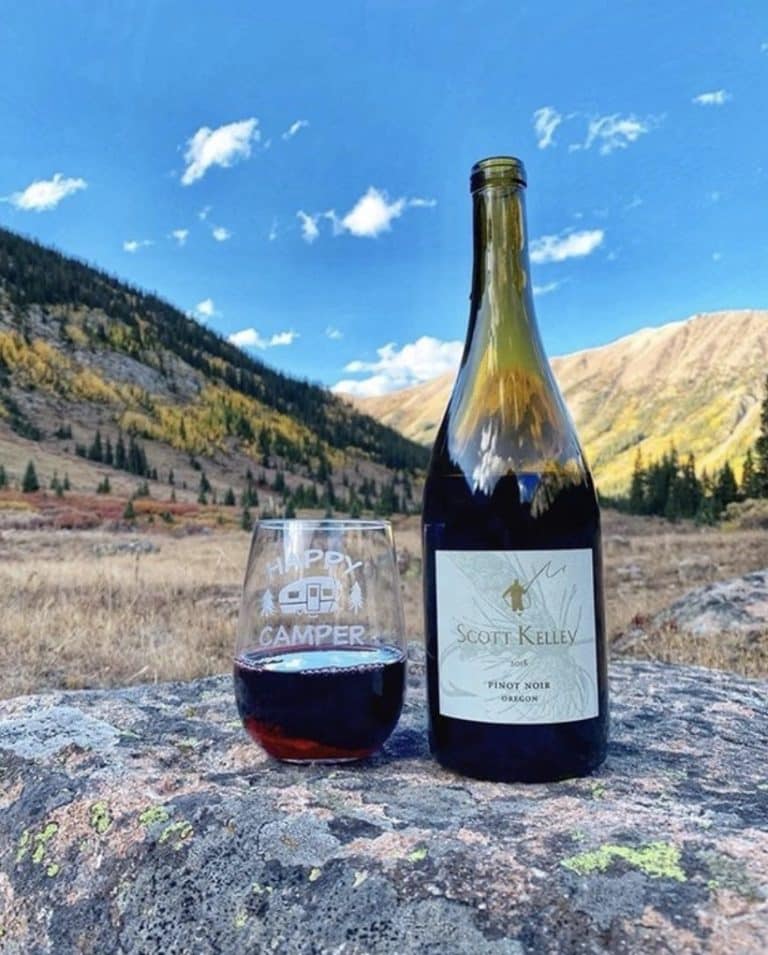
Scott Kelley Oregon Pinot Gris 2019
-
Winemaker Pedigree: Scott Kelley spent years managing large-scale production for legendary West Coast properties, specializing in cool-climate varietals. This Oregon project allows him to bypass commercial blending pressures.
-
Terroir & Region: Willamette Valley and Southern Oregon components, leveraging cool-climate marine sedimentary soils.
-
Varietal Composition: 100% Pinot Gris.
[Taste Profile: Scott Kelley Pinot Gris]
  ├── Acidity: High / Crisp
  ├── Primary Notes: Green Apple, White Peach, Bosc Pear
  └── Finish: Clean, Mineral-driven, Zero residual sugar
Tasting & Evaluation Notes
This vintage pours a brilliant, pale straw color with subtle green reflections at the rim. On the nose, it delivers intense aromas of crisp green apple, white peach, and wet stone minerality.
The palate is defined by high, vibrant acidity that avoids any flabbiness. Mid-palate weights reveal hints of Asian pear and Meyer lemon zest, finishing completely dry with a crisp, refreshing snap. It serves as an exceptional alternative to mass-produced, neutral Italian Pinot Grigios.
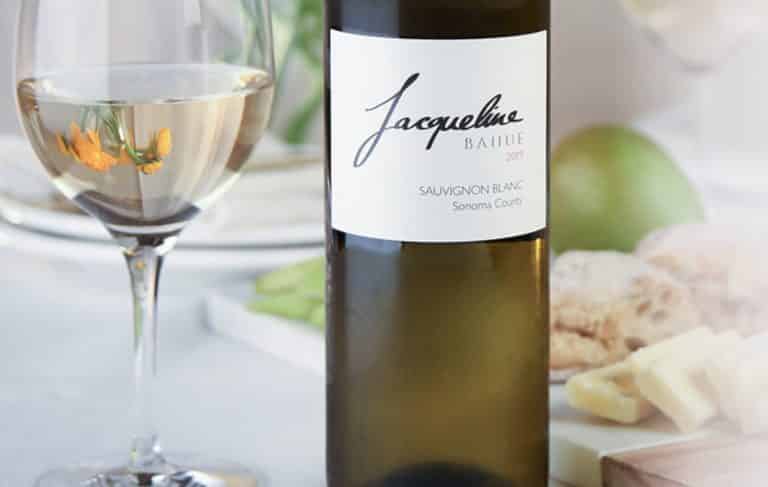
Jacqueline Bahue Sonoma Valley Sauvignon Blanc 2019
-
Winemaker Pedigree: Jacqueline Bahue focuses on minimal-intervention winemaking, selecting distinct micro-climates along the California coast to let the fruit speak for itself.
-
Terroir & Region: Sonoma Valley, California—benefiting from cool morning fog and intense afternoon sun exposure.
-
Varietal Composition: 100% Sauvignon Blanc.
Tasting & Evaluation Notes
An aromatic powerhouse, this wine opens with intense aromas of lemongrass, pink grapefruit, and boxwood, completely avoiding overly aggressive pyrazines (veggie or cut-grass notes).
The mouthfeel is clean and beautifully balanced; it strikes an ideal middle ground between the tropical, rich texture of a classic Napa Sauvignon Blanc and the bright, zesty character of a New Zealand counterpart. The finish is long and refreshing, marked by bright citrus pith and a touch of flinty minerality.
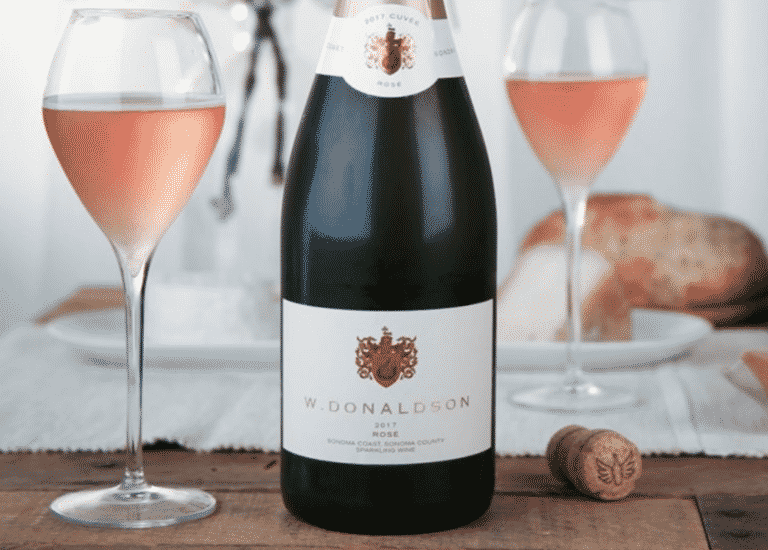
W. Donaldson Sonoma Rose 2017
-
Winemaker Pedigree: William Donaldson is a master of sparkling and delicate still wine production, bringing over three decades of high-end Sonoma County experience to the platform.
-
Terroir & Region: Sonoma County, California.
-
Varietal Composition: Rhone-style red grape blend tailored for direct press rosés.
Tasting & Evaluation Notes
Despite holding more bottle age than standard commercial rosés, this 2017 expression retains surprising structural integrity. It presents a beautiful salmon-pink color in the glass.
The bouquet features delicate notes of wild strawberry, rain-kissed watermelon, and orange blossom. On the palate, the wine leans dry and savory, showing subtle notes of red currant and white pepper alongside refreshing acidity. This bottle proves that careful, independent production can create a rosé with impressive longevity.
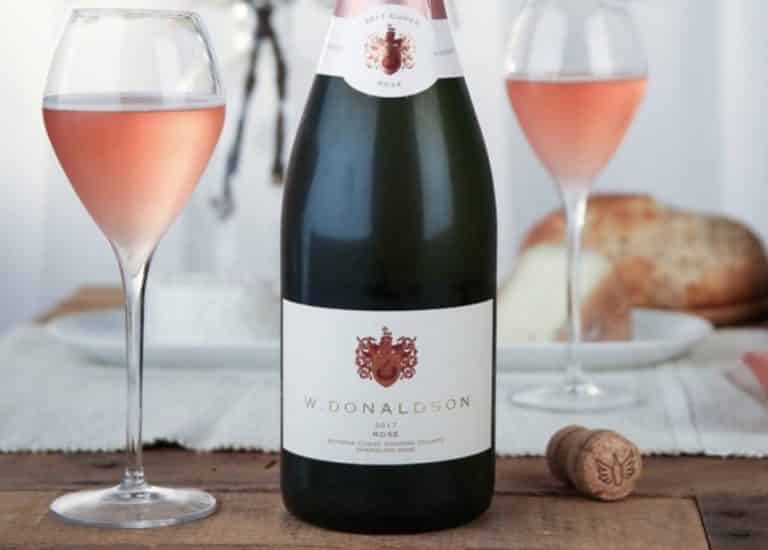
Chris Baker Willamette Valley Rose of Pinot Noir 2019
-
Winemaker Pedigree: Chris Baker is a dedicated Pinot Noir specialist who focuses on capturing the delicate, earth-driven nuances of Oregon’s premier growing regions.
-
Terroir & Region: Willamette Valley, Oregon—famous for its iron-rich Jory volcanic soils.
-
Varietal Composition: 100% Pinot Noir (Direct Press).
Tasting & Evaluation Notes
This direct-press rosé opens with a bright, pale copper hue. The nose is exceptionally refined, offering aromas of tart cranberry, Rainier cherry, and wet slate.
The palate features a beautiful, silken texture balanced by a refreshing backbone of acidity. It displays clean flavors of pomegranate and blood orange rind, trailing off into a long, mineral-driven finish. It stands out as an intellectual, food-friendly rosé perfect for pairing with roasted poultry or wild salmon.
Ken Deis Napa Valley Merlot 2018
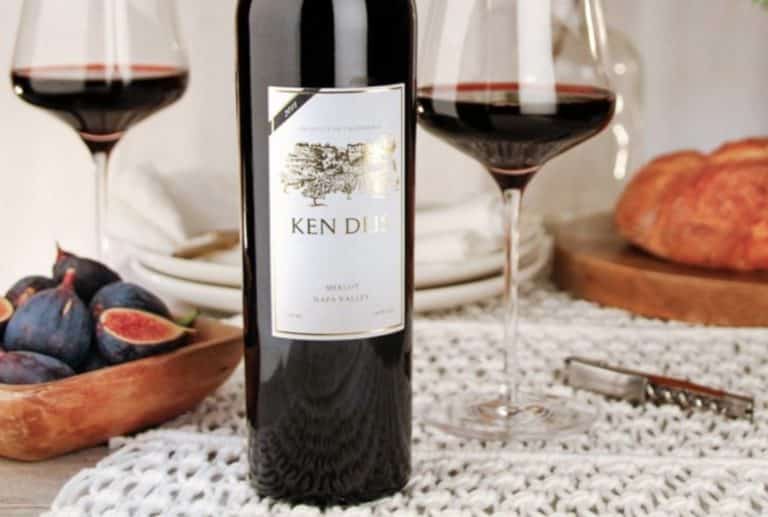
- Winemaker Pedigree: Ken Deis brings decades of experience from historic properties like Joseph Phelps, making him an expert in classic Napa Valley structures.
-
Terroir & Region: Oak Knoll and Rutherford sub-appellations within Napa Valley, California.
-
Varietal Composition: Dominant Merlot supported by minor additions of Cabernet Sauvignon for structural backbone.
[Taste Profile: Ken Deis Merlot]
  ├── Body: Medium-to-Full
  ├── Oak Integration: French Oak (14 months)
  └── Primary Notes: Black Plum, Cocoa Powder, Espresso
Tasting & Evaluation Notes
This vintage pours a deep, opaque ruby-purple. The nose is rich and inviting, showing aromas of dark plum, black cherry, cocoa powder, and subtle baking spices from French oak aging.
On the palate, it challenges any negative stereotypes surrounding Merlot; it is full-bodied and structured, featuring fine-grained, velvety tannins and balanced acidity. Layers of dark fruit, espresso bean, and complex earth notes unfold across a long, refined finish. This bottle delivers the unmistakable depth and quality of a classic Napa Valley red.
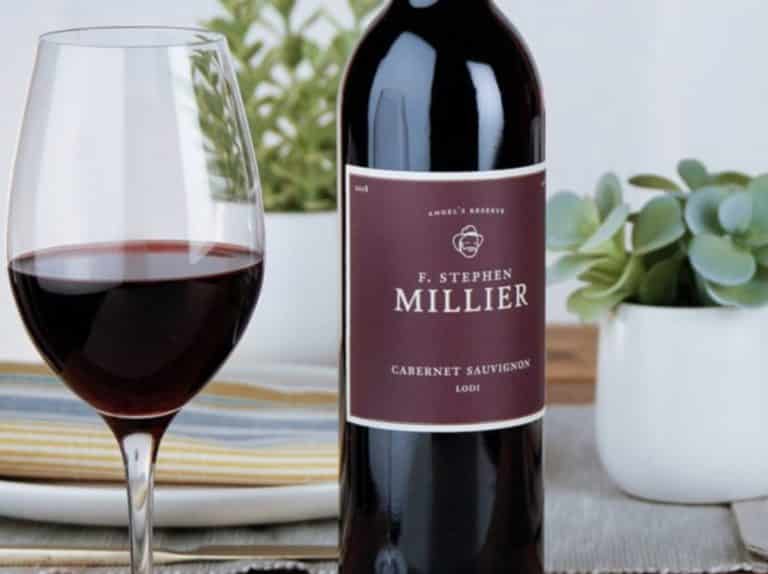
F. Stephen Millier Angels Reserve Lodi Cabernet Sauvignon 2018
-
Winemaker Pedigree: A true legend within the Naked Wines ecosystem, Stephen Millier has spent decades crafting high-value, deeply concentrated wines from California’s Central Valley.
-
Terroir & Region: Lodi, California—celebrated for its warm days, cool delta breezes, and well-drained sandy loam soils.
-
Varietal Composition: 100% Cabernet Sauvignon (Reserve Selection).
Tasting & Evaluation Notes
This signature “Angels Reserve” bottle pours a dense crimson-purple. The nose opens with rich aromas of sweet blackberry compote, cassis, toasted vanilla bean, and sweet tobacco leaf.
The mouthfeel is lush, soft, and immediately accessible, presenting smooth, rounded tannins and a plump, fruit-forward core. While it carries less aggressive structure than a traditional mountain-grown Cabernet, its rich, bold flavors and velvety texture make it an incredibly crowd-pleasing option for weeknight dinners and barbecues.
Naked Wines Review: What Do Customers Think?
Synthesizing independent data across consumer protection websites, Trustpilot, and active wine forums reveals a clear view of where the platform excels and where its structural friction points lie.
The Positive Consensus
-
Exceptional Quality-to-Cost Ratio: Verified buyers frequently praise the Angel pricing tier, noting that their $15 to $20 Angel bottles regularly outperform $35 supermarket options in blind tastings.
-
No-Risk Bottle Guarantees: Customers consistently report that the “no-questions-asked” refund policy for unsatisfactory bottles is honored instantly via digital credit or card reversals, building strong trust.
-
Vibrant Community Engagement: Many users enjoy the social aspect of the platform, noting that interacting directly with winemakers adds a unique, educational layer to their wine buying.
The Negative Consensus
-
Automatic Account Billing Friction: The most common complaints stem from users who forget that the $40 monthly Angel status is an ongoing, automatic charge. While this money remains yours to spend on wine, casual shoppers who do not read the terms carefully can be surprised by the monthly bank drafts.
-
Shipping Minimums and Logistics: While orders move quickly through local regional hubs, users note that you need to order in full 6-bottle or 12-bottle case increments to optimize shipping rates, which can be limiting for apartment dwellers with tight storage space.
Is Naked Wines Worth It?
For the vast majority of regular wine consumers, Naked Wines delivers an exceptionally high return on investment.
If you regularly buy wine at grocery stores or local shops and enjoy exploring independent, boutique styles, the Angel ecosystem is an excellent fit. The platform provides incredible value by shifting your retail spending away from corporate distributor markups and redirecting it toward true agricultural production.
However, the platform may not be ideal for two specific types of buyers:
-
Strict Ultra-Budget Shoppers: If your target price point is strictly under $8 per bottle, the artisanal focus of Naked Wines will not match your budget.
-
Rigid Big-Brand Buyers: If you only want to drink specific, mass-market institutional brands (such as Caymus, Kendall-Jackson, or Veuve Clicquot), you will not find them here. The catalog is completely dedicated to independent, exclusive creations.
Sign Up For Naked Wines: Step-by-Step Onboarding
If you are ready to join the platform and secure Angel-level pricing, the enrollment process is simple and straightforward:
FAQ

Is Naked Wines a lock-in subscription club?
No. Naked Wines is a flexible, customer-funded investment account rather than a rigid subscription club. You are never forced to take deliveries on a fixed monthly schedule. You can skip months, let your balance accumulate, or cancel your membership entirely at any time without facing penalties.
What happens to my accumulated balance if I cancel my membership?
Every dollar deposited into your Angel account belongs completely to you. If you choose to cancel your membership, you can either spend your remaining balance on a final case of wine or request a full cash refund of your unspent balance back to your original payment method.
How does weather affect shipping schedules?
Because extreme temperatures can easily damage delicate wines, Naked Wines uses climate-controlled storage hubs and may temporarily hold shipments heading to regions experiencing severe winter freezes or intense summer heatwaves. This proactive measure ensures your bottles arrive in perfect structural condition.
Contact Naked Wines
Naked Wines manages a highly responsive, Napa-based customer support framework to handle deliveries, account status adjustments, and billing questions.
-
Customer Support Phone: 1-800-701-3145 — Available Monday through Friday from 6:00 AM to 5:00 PM Pacific Time, and Saturdays from 8:00 AM to 1:00 PM Pacific Time.
-
Direct Support Email: chat@nakedwines.com
-
Corporate Address: Naked Wines Office Hub, 830 Latour Court, Suite B, Napa, CA 94558.
