

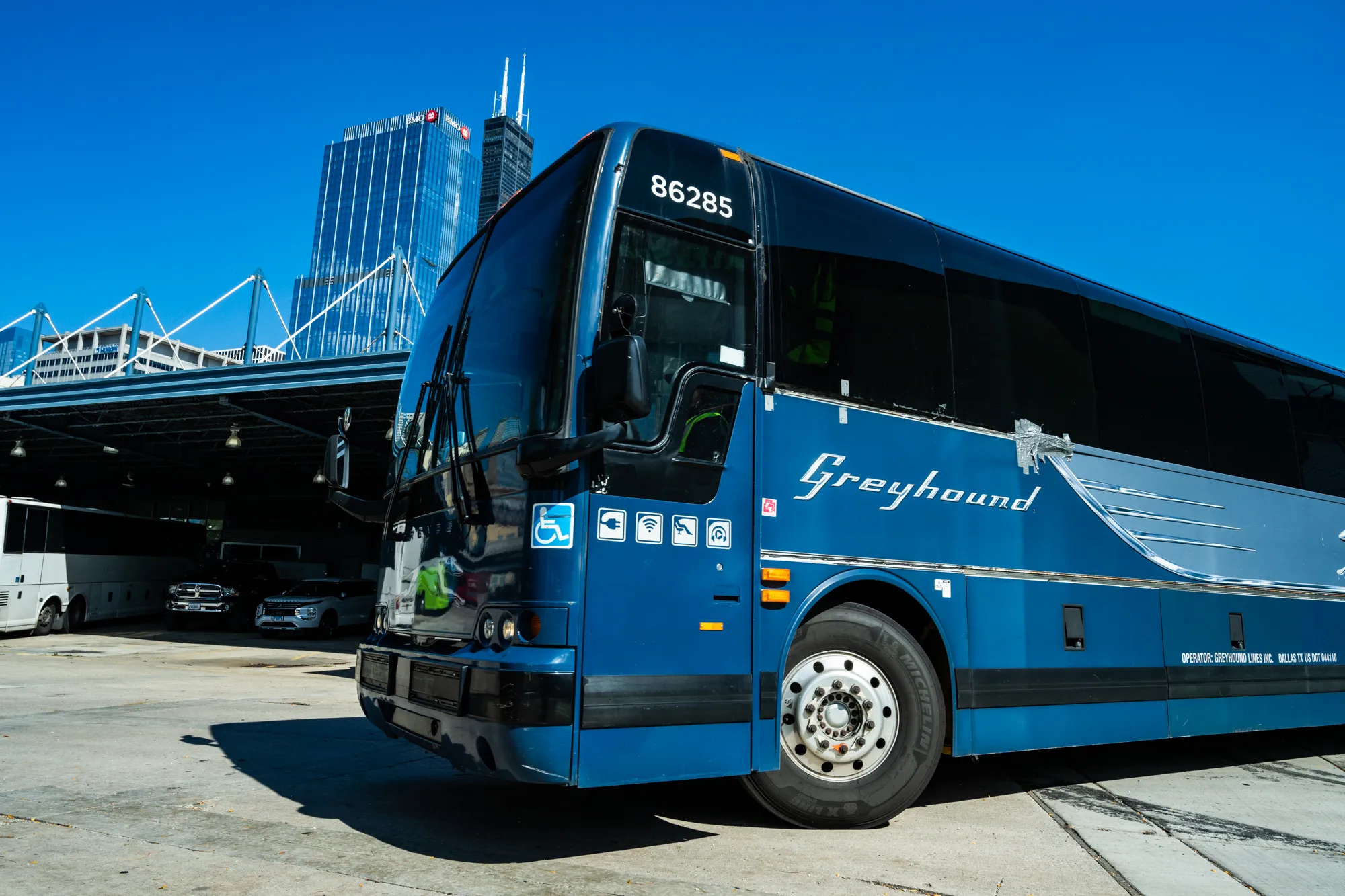
Intercity travel has undergone a massive evolution over the past few years, transitioning from a basic, often stressful mode of transit into a streamlined, tech-enabled, and budget-friendly experience. At the forefront of this transformation is Greyhound, North America’s most iconic and largest intercity bus service provider.
Whether you are a college student heading home for the holidays, a budget-conscious traveler exploring new cities, or a professional looking for a reliable and eco-friendly way to commute, understanding how Greyhound operates today is essential. Following its acquisition by Flix North America, Greyhound has experienced a major revival, upgrading its fleet, improving on-time departure rates, and overhauling customer service.
This comprehensive review dives deep into Greyhound’s services, features, booking mechanics, pricing, baggage policies, and overall customer experience to help you decide if it is the right choice for your next journey.
What is Greyhound?
Greyhound is a legendary long-distance intercity bus common carrier that connects thousands of destinations across the United States, Canada, and Mexico. Founded over a century ago, the hound symbol has become universally synonymous with cross-country road travel.
Operating on a hub-and-spoke system, Greyhound bridges the gap between small towns and major metropolitan areas. It offers an alternative to flying or driving, eliminating the stresses of airport security lines, expensive parking fees, and the high cost of fuel.
Greyhound Overview
- Founded: 1914 (Operating for over a century)
- Parent Company: Flix SE (Flix North America)
- Service Area: United States, Canada, and Mexico
- Fleet Size: Hundreds of modern motorcoaches equipped with green-tech standards
- Official Website: https://www.greyhound.com/
Under Flix’s leadership, Greyhound has successfully integrated into a digital-first global travel network. This transition has modernized its booking platforms, streamlined schedules, and injected capital into upgrading terminals and customer support systems.
Greyhound Bus Services Explained
Greyhound’s core business model revolves around intercity mass transit. However, its service tiers have expanded:
- Standard Intercity Routes: Connecting point-A to point-B with scheduled stops at major terminals, roadside stations, and partner locations.
- Express Routes: Non-stop or limited-stop routes connecting major metropolitan hubs (such as the Northeast Corridor between New York, Boston, Philadelphia, and Washington, D.C.) to drastically cut down travel times.
- Regional Partnerships: Through code-sharing and partnership networks with local transit authorities and fellow FlixBus operators, Greyhound ensures seamless multi-modal connections.
Key Features of Greyhound
Modern Greyhound buses are worlds apart from the old stereotype of intercity transit. Key structural and physical features include:
- No Middle Seats: Every layout features pairs of seats separated by an aisle, meaning you are guaranteed either a window or an aisle seat.
- Reclining Leather Seats: Seats come equipped with extra legroom (created by removing entire rows during recent fleet modernizations) and adjustable footrests.
- Free Onboard Wi-Fi: High-speed wireless internet allows passengers to work, stream, or browse social media seamlessly throughout the journey.
- Power Outlets: Standard 110V electrical sockets are available at almost every seat to keep laptops, tablets, and smartphones charged.
- Onboard Restrooms: A compact lavatory is located at the back of the bus for emergency use during long stretches between terminal rest breaks.
Greyhound Routes & Destinations
Greyhound services thousands of destinations across North America. From bustling downtown terminals in New York, Los Angeles, and Chicago to local stops in rural towns, the network covers virtually every corner of the map.
High-density corridors—especially the Northeast, the West Coast, and routes connecting Texas cities—enjoy high-frequency departures, sometimes running multiple times a day. Major seasonal spikes, such as summer holidays and events like the FIFA World Cup, see increased route optimization and added capacity to handle surges safely.
How Does Greyhound Booking Work?
Booking a trip with Greyhound is straightforward and digitized:
- Go to the official website (https://www.greyhound.com/) or open the mobile app.
- Enter your departure city, destination, and travel dates.
- Select your preferred schedule from the list of available departures.
- Choose optional add-ons, such as seat selection (choosing a front-row or landscape view seat), extra baggage, or travel insurance.
- Complete secure online payment using credit/debit cards or digital wallets.
- Receive your digital ticket (QR code) via email or access it directly inside the mobile app for boarding scanner validation.
Greyhound Ticket Pricing & Fare Options
Greyhound operates on a dynamic pricing model, meaning ticket prices fluctuate depending on demand, how far in advance you book, and the popularity of the route.
- Advance Booking Discounts: Booking weeks or months ahead yields the lowest possible fares (often starting at just a few dollars for short hops).
- Last-Minute Fares: Tickets purchased on the day of travel or directly at the counter tend to be significantly more expensive.
- Fare Classes & Add-ons: While base tickets cover travel and standard luggage, options like seat reservations, priority boarding, and extra baggage carry nominal additional charges.
Greyhound Baggage Policy
Greyhound offers one of the most generous baggage policies in the intercity bus industry:
- Carry-On Baggage: Passengers are allowed one small carry-on bag or backpack to store in the overhead compartment or under the seat in front of them.
- Under-Bus Checked Baggage: You can store up to three bags under the bus. Your first checked bag is completely free.
- Extra Bags: The second and third under-bus bags can be added for a small fee (pre-paying online is cheaper than paying at the terminal).
- Bulky Items & Special Gear: Bicycles, golf clubs, and musical instruments can be checked as bulky items provided they are securely packed in proper containers. Strollers and car seats travel free of charge.
Onboard Amenities & Passenger Comfort
Passenger comfort has been a primary focus of Greyhound’s recent structural updates:
- Climate Control: Effective air conditioning and individual overhead air vents keep the cabin comfortable regardless of external weather conditions.
- Safety Restraints: Modern coaches feature 3-point safety belts (lap and shoulder harnesses) on virtually all new fleet models.
- Smooth Rides: Upgraded suspension systems and eco-friendly hybrid-diesel engines provide a quieter, smoother ride.
Greyhound Mobile App & Online Booking
The Greyhound mobile app is a useful companion for travelers. It lets you:
- Search schedules and buy tickets on the go.
- Store boarding passes digitally, eliminating the need to print paper tickets.
- Track your bus in real-time via integrated GPS mapping to monitor arrival and departure times accurately.
- Manage booking changes, cancellations, or add extra luggage effortlessly.
Ticket Changes, Cancellations & Refunds
Travel plans can change unexpectedly, and Greyhound accommodates this through its booking management portal:
- Modifications: Depending on the fare type purchased, you can often change your travel time or date up to a certain window before departure via the app or website.
- Cancellations: If you cancel your trip ahead of time, you may receive a voucher or partial refund toward future travel, subject to cancellation terms and service fees outlined during booking.
Pros & Cons
Pros:
- Extensive Network: Reaches thousands of destinations, including smaller towns other carriers ignore.
- Affordable Pricing: Excellent option for tight budgets when booked in advance.
- Generous Baggage Allowance: One free under-bus bag plus standard carry-ons.
- Modernized Fleet: Upgraded Wi-Fi, power outlets, leather seats, and high safety standards.
- Improved On-Time Performance: Enhanced scheduling metrics boast high departure punctuality rates.
Cons:
- Variable Travel Times: Subject to highway traffic delays and unexpected road construction.
- Dynamic Pricing: Last-minute tickets can occasionally rival the cost of budget airline tickets.
- Terminal Experience: While major hubs are modernizing, some remote or partner stops lack extensive indoor waiting amenities.
Customer Experience
Customer sentiment toward Greyhound has shifted positively over the last few years. While historical reviews often cited delayed departures or crowded stations, the Flix North America takeover has driven major operational accountability. Modern tracking tools, cleaner coaches, courteous drivers, and responsive digital customer support channels have measurably elevated the overall Net Promoter Score (NPS).
Safety, Reliability & Trustworthiness
Safety remains a foundational pillar for the brand. Greyhound drivers undergo rigorous professional training programs and mandatory vehicle check protocols prior to every dispatch. The company consistently maintains top safety ratings from regulatory transportation bodies. Furthermore, real-time bus tracking minimizes uncertainty, ensuring loved ones or passengers can monitor trip progress closely.
Greyhound vs Competitors (FlixBus, Megabus, Amtrak & RedCoach)
| Feature / Service | Greyhound | FlixBus | Megabus | Amtrak | RedCoach |
| Network Size | Massive (North America) | Massive (Global/US) | Regional (US/UK) | National Rail | Regional (Florida/Texas) |
| Price | Budget-friendly | Budget-friendly | Very Cheap | Moderate to High | Premium |
| Comfort | Standard/Upgraded | Standard | Standard | High Legroom/Space | Luxury Recliners |
| Baggage | 1 Free Checked + Carry-on | Similar standard | Strict limits | Very generous | Premium allowances |
While FlixBus shares similar management and booking structures, Greyhound maintains a deeper footprint in traditional terminal networks. Amtrak offers a smoother ride on rails but is often more expensive and limited by track infrastructure. RedCoach provides a luxury alternative but operates across a much narrower geographic footprint.
Who Should Use Greyhound?
Greyhound is an ideal choice for:
- Budget Travelers & Students: People seeking cheap, reliable cross-country or regional transit.
- Eco-Conscious Commuters: Individuals looking to lower their carbon footprint compared to driving solo.
- Non-Drivers: Travelers who do not own a car or prefer not to navigate highway driving stress.
- Light-to-Medium Packers: Anyone needing to transport extra luggage without paying exorbitant airline baggage fees.
Expert Verdict
Greyhound has successfully rewritten its corporate narrative. What was once viewed strictly as a last-resort travel option has transformed into a smart, dependable, and technologically advanced intercity travel solution.
While highway transit will always carry minor risks of traffic-related delays, the combination of free Wi-Fi, power outlets, generous luggage rules, and highly competitive pricing makes it a stellar value proposition. If you plan your trip ahead of time, Greyhound delivers an efficient and comfortable journey across the continent.
Frequently Asked Questions (FAQs)
Does Greyhound Wi-Fi work well throughout the trip?
Yes, free onboard Wi-Fi is standard across the fleet, suitable for web browsing, emails, and social media scrolling. However, connectivity can occasionally drop in remote, rural stretches of highway.
Can I choose my seat when booking?
Yes, Greyhound allows passengers to select specific preferred seats during the online booking process for a small fee, or you will be systematically assigned a seat.
How early should I arrive at the bus terminal before departure?
It is recommended to arrive at least 30 minutes before your scheduled departure time (or 45–60 minutes at busy major terminals) to allow time for luggage checking and boarding line organization.
Are pets allowed on Greyhound buses?
Pets are generally not allowed, with the strict exception of trained service animals assisting individuals with disabilities.
What happens if my bus is delayed?
You can use the Greyhound mobile app to track your bus in real-time. If major disruptions occur, customer service and station agents assist with re-routing options.
Final Conclusion
Greyhound remains a cornerstone of North American mobility. By pairing its legendary historical reach with modern technological improvements and fleet investments, it delivers exceptional value for money. For travelers prioritizing affordability, widespread destinations, and a straightforward booking process, Greyhound stands out as a dependable travel companion.
