

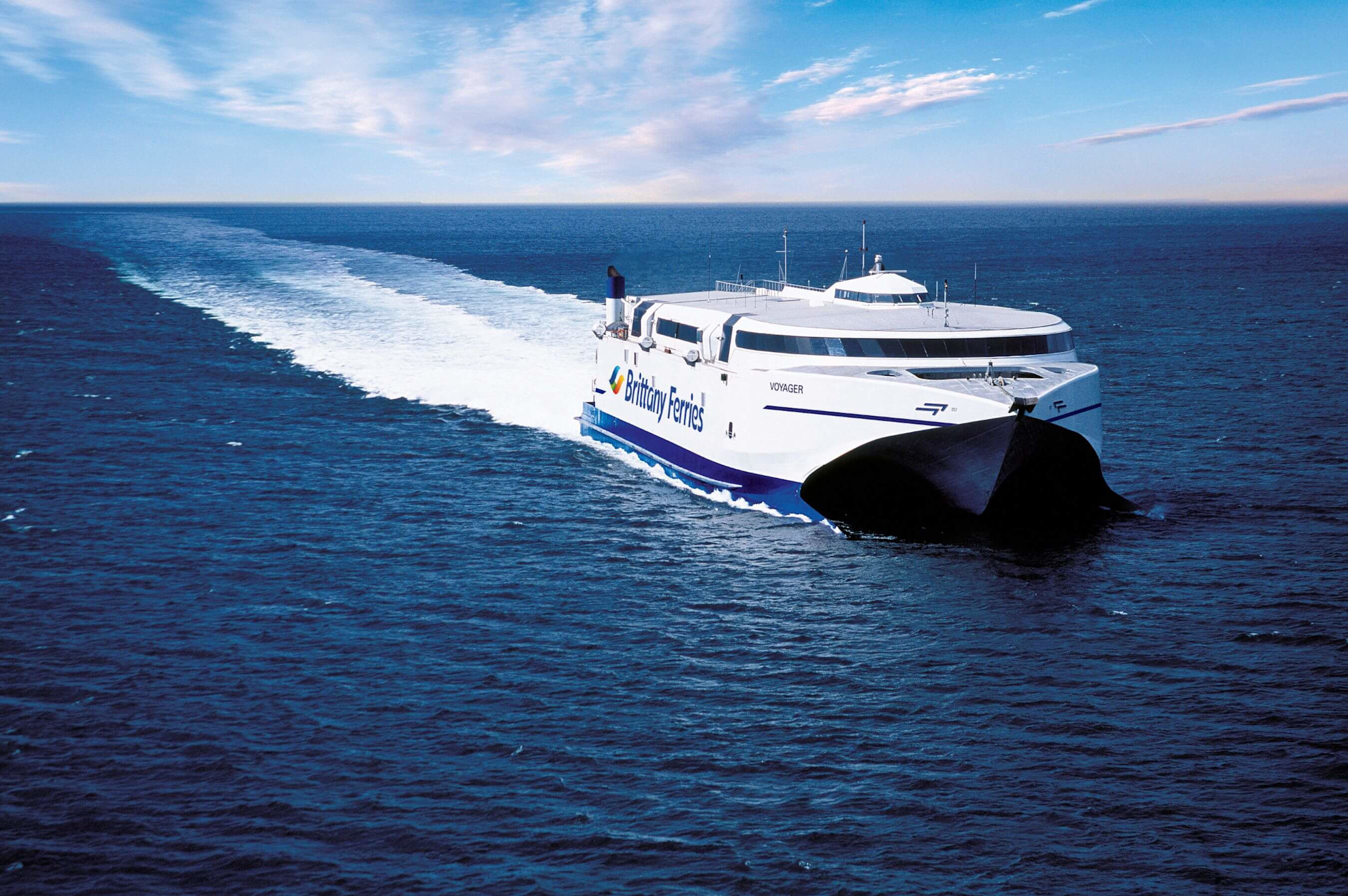
Crossing the English Channel or the Bay of Biscay is a classic travel tradition that connects the United Kingdom, Ireland, France, Spain, and the Channel Islands. While low-cost airlines and high-speed rail networks offer rapid point-to-point transit, maritime travel remains a favored choice for passengers who value vehicle mobility, generous baggage allowances, pet-friendly travel, and a leisurely voyage.
Among Western European maritime transport operators, Brittany Ferries stands out as a leading premium brand. Known for its extensive route network and cruise-style onboard experience, it caters to road-trippers, vacationing families, freight haulers, and long-distance commuters alike.
This comprehensive review delivers an in-depth analysis of Brittany Ferries, evaluating its fleet, booking procedures, onboard amenities, pricing structure, route convenience, and overall customer satisfaction. Whether you are planning a weekend getaway to Normandy or a long-distance road trip to the Spanish coast, this guide provides the insight needed to determine if Brittany Ferries is the right travel choice for your journey.
What is Brittany Ferries?
Brittany Ferries is a major passenger and freight ferry operator running long-haul cross-Channel and transatlantic routes across the United Kingdom, Western France, Northern Spain, Ireland, and the Channel Islands.
Unlike regional shuttle services that prioritize rapid transit, Brittany Ferries operates as a “cruise-ferry” service. The company bridges maritime transit with resort-style hospitality, providing overnight crossings with private en-suite cabins, formal and self-service dining, lounges, entertainment, duty-free shopping, and dedicated pet care facilities.
Brittany Ferries Overview
Brittany Ferries was founded in 1972 under the official French name BAI (Bretagne-Angleterre-Irlande). It was established by a collective of Breton agricultural cooperatives led by Alexis Gourvennec. The initial goal was simple: open up regional markets and export Breton agricultural products (such as cauliflower and artichokes) directly to the United Kingdom following the UK’s entry into the European Economic Community (EEC).
The company’s first route launched in January 1973, connecting Roscoff in Brittany to Plymouth in England using a converted freighter. Recognizing the demand for passenger travel along this corridor, the operator quickly added passenger accommodations, expanded its fleet, and established new maritime connections across the English Channel and the Bay of Biscay.
Today, Brittany Ferries remains majority-owned by Breton farming cooperatives. Headquartered in Roscoff, France, it operates modern conventional, LNG-powered (Liquefied Natural Gas), and hybrid vessels. The company continues to drive tourism, trade, and regional economic development across Atlantic Europe.
Brittany Ferries Routes & Destinations
Brittany Ferries maintains a comprehensive network of sea routes connecting strategic ports across four countries.
1. United Kingdom to France
- Portsmouth to Caen (Ouistreham): The flagship high-frequency route with multiple daily sailings, taking roughly 6 hours during the day or 8 hours overnight.
- Portsmouth to St Malo: A popular overnight route into Brittany, ideal for exploring the historic walled city and surrounding coastal areas.
- Portsmouth to Cherbourg: Offers convenient access to Normandy and northern France.
- Plymouth to Roscoff: The original Western Channel route, connecting the South West of England directly with Western Brittany.
- Poole to Cherbourg: A direct southern route serving the West Country.
2. United Kingdom to Spain
- Portsmouth to Santander / Portsmouth to Bilbao: Major routes crossing the Bay of Biscay, taking approximately 28 to 32 hours. These sailings serve as an alternative to driving through France.
- Plymouth to Santander: A seasonal route connecting western England directly to northern Spain.
3. Ireland to France & Spain
- Cork to Roscoff: Direct route connecting Southern Ireland with Brittany.
- Rosslare to Cherbourg: Connects South-East Ireland with Normandy.
- Rosslare to Bilbao: Direct connection between Ireland and Northern Spain.
4. Channel Islands Connections
-
Direct sailings connect Portsmouth and Poole to Guernsey and Jersey, along with regional links to St Malo.
Ferry Services Offered by Brittany Ferries
Brittany Ferries caters to a wide variety of travel needs:
- Passenger Motorists: Accommodations for cars, SUVs, campervans, motorhomes, caravans, and towed trailers.
- Foot Passengers: Passengers traveling on foot, by bicycle, or by motorcycle.
- Long-Haul Overnight Voyages: Services featuring private en-suite cabins, fine dining, and full-service amenities for multi-day and overnight journeys.
- Freight & Commercial Transport: Cargo shipping services supporting cross-border logistics and trade.
- Inclusive Package Holidays: Accommodation and transport packages, including holiday cottage bookings, hotel stays, and golf tours across France and Spain.
Key Features of Brittany Ferries Explained
1. Modern & Sustainable Fleet
Brittany Ferries operates a fleet of flagship cruise-ferries and next-generation vessels. Key ships include the Pont-Aven, Mont St Michel, Armorique, Galicia, Salamanca, Santoña, Saint-Malo, and Guillaume de Normandie. Newer E-Flexer class ships feature cleaner Liquefied Natural Gas (LNG) and hybrid-electric propulsion systems, reducing carbon emissions and underwater noise.
2. Mile-Saving Port Network
By operating from ports like Plymouth, Poole, Portsmouth, Roscoff, St Malo, Santander, and Bilbao, Brittany Ferries offers direct sea access closer to final destinations. This “mile-saving” approach reduces long driving times, toll expenses, and fuel consumption compared to standard Short Sea routes (such as Dover to Calais).
3. French Culinary Experience
Unlike standard cafeteria-style ferry catering, Brittany Ferries highlights French gastronomy. Menus are curated with regional ingredients, French wines, and classic cuisine prepared by professional chefs onboard.
Booking Process: How Does Brittany Ferries Work?
Booking a trip through the official website (brittany-ferries.fr or brittany-ferries.co.uk) is straightforward:
- Route Selection: Choose your origin, destination, trip type (one-way, return, or multi-route), dates, and passenger count.
- Vehicle Details: Provide vehicle specifications, including height, length, roof boxes, bike racks, or trailers, to secure correct garage space.
- Accommodation Selection: Select your preferred seating or cabin option (standard inside/outside, pet-friendly, family suite, or luxury Commodore suite).
- Onboard Extras: Pre-book meal packages, Wi-Fi access, priority boarding, or pet passes.
- Payment & Check-in Details: Enter passenger passport details, apply promotional discount codes or loyalty membership numbers, and complete payment. You will receive an e-ticket with a booking reference code and QR code for port check-in.
Ticket Types, Fares & Pricing Overview
Fares vary based on seasonality, route length, cabin tier, vehicle size, and booking timing.
- Standard / Economy Fare: The basic tier, offering lower prices with stricter cancellation and amendment conditions. Best for budget-conscious travelers with fixed plans.
- Flexi Fare: Provides greater flexibility, allowing route modifications, date changes, or cancellations with lower penalty fees.
- Club Voyage / Membership Discounts: A loyalty program offering discount tiers on fares, cabin upgrades, and onboard purchases for frequent travelers.
General Pricing Factors
- Short Channel Crossings (e.g., Portsmouth to Caen): Fares typically start lower for daytime sailings, with prices rising for peak summer weekends and overnight sailings requiring mandatory cabins.
- Long-Haul Spain Routes: Higher base pricing reflects the 24- to 32-hour duration, mandatory cabin allocations, and meals over multi-day crossings.
Onboard Experience & Facilities
Stepping aboard a Brittany Ferries vessel feels more like entering a boutique hotel or a cruise liner than a transit ship.
- Duty-Free Shopping: Onboard boutiques offer perfumes, cosmetics, spirits, wines, tobacco, fashion accessories, travel gear, and local regional goods.
- Lounges & Decks: Spacious observation lounges, quiet reading areas, and open deck spaces allow passengers to view the coastline and sea.
- Pools & Wellness: Select flagship vessels (such as the Pont-Aven) feature indoor swimming pools, spa facilities, and sun decks.
- Wi-Fi & Connectivity: Modern ships offer satellite Wi-Fi packages, keeping passengers connected during sea crossings.
Cabins, Seating & Accommodation Options
For overnight journeys or longer voyages, Brittany Ferries offers various accommodation options:
- Reserved Reclining Seats: Budget-friendly lounge seating with adjustable headrests in quiet zones, suitable for short day routes or cost-conscious travelers.
- Standard En-Suite Cabins (Inside & Outside): Available in 2-berth or 4-berth configurations with air conditioning, private shower, toilet, linen, and towels. Outside cabins include a window or porthole with ocean views.
- Pet-Friendly Cabins: Specially constructed cabins with laminate flooring for travelers bringing dogs or cats onboard.
- Accessible / Wheelchair-Friendly Cabins: Wider doorways, roll-in showers, and step-free layouts for travelers with reduced mobility.
- Commodore & Club Suites: Premium suites featuring private balconies, double beds, complimentary breakfasts, mini-bars, TV, and lounge access.
Food, Restaurants & Entertainment
The onboard food and beverage selection is a highlight of the Brittany Ferries experience:
- Main Dining Rooms (Le Anori, Flora Danica, etc.): À la carte restaurants offering multi-course French meals, seafood dishes, steak, cheese platters, and wine lists.
- Self-Service Cafeterias: Family-friendly venues offering fresh salads, hot mains, pasta, fish and chips, desserts, and kid-friendly options.
- Tapas & Snack Bars: Modern vessels offer quick bites, sandwiches, tapas, French pastries, coffees, and light snacks.
- Bars & Nightlife: Onboard bars serve craft beers, cocktails, and wines, often accompanied by live music, piano performances, or cabaret shows.
- Cinemas & Children’s Play Areas: Multi-screen cinemas show recent movie releases in English and French. Dedicated play areas, video arcades, and seasonal entertainment keep children engaged.
Traveling With Cars, Motorcycles & Pets
Vehicle Travel
Driving onto the ferry is simple. Port crew guide vehicles into the hold, securing cars, caravans, and heavy vehicles. Motorcycles are strapped securely by staff using protective padding. Once parked, vehicle decks are locked for safety during the voyage, so passengers must take all essential items up to their cabins or lounges before departure.
Traveling with Pets
Brittany Ferries is well-regarded for its pet travel infrastructure:
- Pet-Friendly Cabins: Allow pets to sleep inside the cabin with their owners throughout the voyage.
- Onboard Kennels: Temperature-controlled kennel spaces with access codes.
- Pet Exercise Areas: Dedicated outdoor deck spaces where dogs can stretch their legs during the voyage.
- In-Car Stay: On select short crossings, pets can remain in the owner’s vehicle with proper ventilation.
Customer Service & Travel Support
Brittany Ferries maintains customer support via telephone, email, online manage-my-booking portals, and port help desks. Multi-lingual staff assist with itinerary updates, travel requirements, pet documentation check-ins, and mobility support.
Information regarding check-in times (typically 45 minutes to 90 minutes before departure depending on vehicle type and pets) is clearly outlined in booking confirmations.
Safety, Security & Reliability
Safety standards on Brittany Ferries meet strict international maritime regulations set by the International Maritime Organization (IMO) and SOLAS (Safety of Life at Sea).
- Fleet Maintenance: Ships undergo regular dry-dock inspections and maintenance overhauls.
- Safety Protocols: Modern navigation systems, mandatory passenger safety briefings, lifeboats, life-rafts, and trained emergency response crews ensure high security.
- Punctuality & Reliability: While winter storms in the Bay of Biscay or English Channel can cause occasional delays or cancellations, Brittany Ferries maintains a solid track record for reliability and safety management.
User Experience & Customer Reviews
Customer feedback across travel platforms highlights key strengths and areas for improvement:
Positive Feedback
- Comfort & Cleanliness: Passengers appreciate the cleanliness of private cabins and public areas.
- High-Quality Dining: Onboard restaurants and food options receive consistent praise compared to typical transit ferries.
- Pet Amenities: Pet owners value the convenience of pet-friendly cabins and exercise decks.
- Relaxing Travel Experience: Travelers highlight the stress-free nature of sleeping overnight and driving straight onto destination highways the following morning.
Areas for Improvement
- Higher Price Point: Fares are generally higher than short Dover-Calais crossings or budget flights.
- Wi-Fi Connectivity: Open-sea satellite Wi-Fi can occasionally be slow or intermittent during peak usage times.
- Weather Dependency: Rough seas on the Bay of Biscay can lead to sea sickness during winter storms.
Pros & Cons
Pros
- Wide selection of routes connecting the UK, France, Spain, Ireland, and Channel Islands.
- High-quality cruise-ferry experience with private cabins, fine dining, and entertainment.
- Excellent pet-friendly travel infrastructure.
- Generous luggage limits with no baggage fees for motor vehicle travelers.
- Modern, eco-conscious fleet featuring LNG and hybrid vessels.
- Convenient western ports cut down driving times in mainland Europe.
Cons
- Higher ticket pricing compared to short cross-Channel shuttles.
- Longer sea travel times compared to flying or high-speed rail.
- Open-sea satellite Wi-Fi speeds can vary.
- Popular routes and pet-friendly cabins sell out months in advance during summer peaks.
Brittany Ferries vs Competitors (DFDS, P&O Ferries, Irish Ferries, etc.)
| Feature | Brittany Ferries | DFDS | P&O Ferries | Irish Ferries |
| Primary Network | Western Channel, Biscay, Ireland | Short Sea (Dover/Calais), North Sea | Short Sea (Dover/Calais), North Sea | Irish Sea, UK-France |
| Service Model | Cruise-Ferry Focus | Transit & Freight Focus | Transit Focus | Transit & Cruise Mix |
| Dining Quality | Premium French Gastronomy | Standard Buffet / Cafe | Cafeteria & Fast Food | Standard Self-Service |
| Pet Accommodation | Dedicated Pet Cabins & Decks | Pet Lounge / Vehicle Stay | Vehicle Stay | Kennel / Vehicle Stay |
| Pricing | Premium Tier | Mid-Range / Budget | Mid-Range / Budget | Mid-Range |
| Eco Fleet | LNG & Hybrid Ships | Conventional Diesel | Conventional Diesel | Conventional / Fast Craft |
Who Should Use Brittany Ferries?
- Road Trippers & Holidaymakers: Drivers taking cars, caravans, or motorhomes into rural France, Brittany, Normandy, or Northern Spain.
- Pet Owners: Travelers looking for pet-friendly cabins to avoid cargo hold flying.
- Families: Travelers seeking an entertaining, stress-free sea voyage with cinemas, play areas, and private family cabins.
- Expats & Long-Term Travelers: Individuals moving house or traveling between property in the UK, Ireland, France, or Spain.
- Leisure Travelers: Vacationers who prefer relaxing overnight travel instead of airport security lines and luggage restrictions.
Expert Verdict
Brittany Ferries continues to set the benchmark for long-distance maritime travel across Western Europe. While ticket prices are higher than short-haul channel shuttles, the company justifies the premium through its modern fleet, high-quality dining, comfortable cabin options, and exceptional pet-friendly facilities.
By operating directly into western ports in Brittany, Normandy, and Northern Spain, the ferry service saves drivers hours of driving time and road tolls. For travelers seeking a reliable, comfortable, and enjoyable cruise-style transit, Brittany Ferries remains an outstanding choice.
Frequently Asked Questions (FAQs)
Is a cabin mandatory on Brittany Ferries overnight sailings?
Yes, on most overnight crossings (including long-distance routes to Spain), booking a private cabin or reserved seat is required for safety and passenger comfort.
Can I stay in my car during the sea crossing?
No. For safety reasons, all vehicle decks are locked shortly after departure, and passengers are restricted from returning to their cars until the ship reaches port.
How far in advance should I book pet-friendly cabins?
Pet-friendly cabins are limited and in high demand. It is recommended to book 6 to 12 months in advance for peak summer travel.
Is Wi-Fi available onboard Brittany Ferries?
Yes, Wi-Fi is available across the fleet. Complimentary basic access is often provided, with premium high-speed packages available for purchase onboard.
How early do I need to arrive at the ferry port?
General vehicle passengers should arrive 45 to 60 minutes before departure. Passengers traveling with pets or requiring mobility assistance should arrive at least 90 minutes prior.
Final Conclusion
Brittany Ferries stands out as a top-tier ferry operator, delivering safety, convenience, and comfort across Western Europe. Whether you are embarking on an overnight voyage across the Bay of Biscay or taking a daytime crossing across the English Channel, its modern fleet, French cuisine, private en-suite cabins, and vehicle-friendly policies offer a practical and enjoyable alternative to air travel. If convenience, relaxation, and travel flexibility are your top priorities, Brittany Ferries is well worth the investment.
