

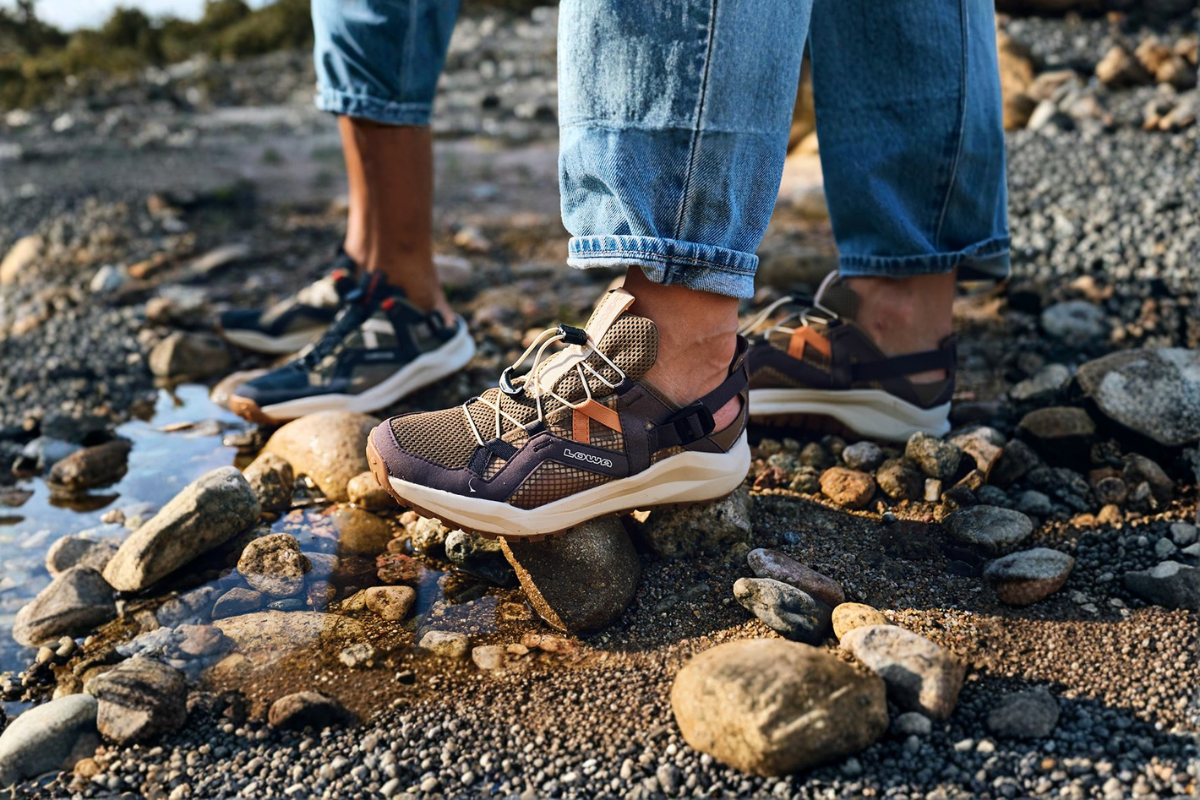
When it comes to outdoor footwear, few names command as much respect and historical reverence as LOWA. Founded in 1923 in Jetzendorf, Germany, by Lorenz Wagner (from whose name “LO-WA” is derived), this brand has spent over a century manufacturing premium mountain footwear. In a market flooded with mass-produced, synthetic hiking sneakers that wear out after a single season, LOWA remains one of the few standard-bearers committed to traditional European craftsmanship, heavy-duty leather, and state-of-the-art podiatric engineering.
Whether you are an elite mountaineer tackling alpine scree, a thru-hiker carrying a 50-pound pack over hundreds of miles, or a casual weekend warrior looking for a boot that will last a decade, LOWA claims to have the perfect fit. But does the modern performance match the legendary reputation?
This comprehensive, long-form review breaks down everything you need to know about LOWA boots—their proprietary technology, core product lines, real-world field performance, and how they stack up against modern competition.
What Makes a LOWA Boot?
Before diving into individual models, it is essential to look under the hood. LOWA’s enduring popularity relies heavily on a handful of proprietary and partner technologies that define how these boots flex, cushion, and protect your feet.
The Monowrap® Frame Architecture
If you look closely at a pair of mid-cut LOWA boots (like the famous Renegade series), you will notice a distinct, wave-like plastic structure that rises from the sole up onto the leather upper. This is the LOWA Monowrap® frame.
Instead of sitting your foot directly on top of a flat sole unit, the Monowrap structure cradles the foot three-dimensionally within a supportive PU (polyurethane) net. This construction provides several benefits:
- Torsional Stability: It prevents the foot from twisting outward or inward on uneven, rock-strewn trails.
- Weight Reduction: By building structural support into the frame, LOWA can use thinner, lighter leather panels without sacrificing ankle security.
- Lateral Support: It gives the boot an inherently stable, planted feel that minimizes ankle roll.
DuraPU® vs. DynaPU® Midsoles
Most running shoes and lightweight hiking shoes use EVA (Ethylene-Vinyl Acetate) foam for their midsoles because it is cheap, soft, and lightweight. However, EVA compacts and loses its shock-absorbing capacity over time.
LOWA avoids this by utilizing Polyurethane (PU) midsoles, split into two variations:
- DuraPU®: Found in their heavy-duty trekking and tactical boots. It is incredibly dense, resistant to compression, and offers unparalleled support when carrying heavy backpacks. It requires a break-in period but lasts for years without packing out.
- DynaPU®: A proprietary, highly elastic foam used in their lighter, faster models. It mimics the plush bounce of EVA but retains its elasticity and structural integrity far longer, offering superior energy return.
Climate Control System and GORE-TEX Linings
LOWA utilizes a specialized Climate Control System, which features a series of perforations in the boot’s lining that pull moisture away from the foot as you walk. This moisture is pumped out through vents located at the top of the boot cuff and tongue.
When paired with a premium GORE-TEX (GTX) waterproof membrane, the result is a highly effective climate management system. While no leather waterproof boot will ever be as breathable as a non-waterproof mesh trail runner, LOWA’s implementation manages heat and sweat exceptionally well, preventing the “sauna effect” common in cheaper waterproof boots.
Handcrafted European Manufacturing
Unlike competitors who outsourced their production to factories across Asia to cut costs, LOWA proudly keeps its manufacturing firmly rooted in Europe. Their boots are made in Germany, Italy, Slovakia, and Croatia. This allows them to maintain strict compliance with European environmental and labor standards (including the Fair Wear Foundation) and execute flawless quality control on every stitch, eyelet, and piece of leather.
Deep Dive: Top LOWA Models Reviewed
LOWA categorizes its boots into specific lines based on terrain and usage. Let’s analyze their flagship models that dominate the global outdoor market.
A. The Benchmark: LOWA Renegade GTX Mid / Renegade Evo GTX
The Renegade is the undisputed king of the LOWA catalog. For decades, it has been one of the best-selling leather hiking boots in the world. Recently updated with the Renegade Evo GTX, this boot balances old-school leather durability with modern athletic agility.
- Best For: All-terrain day hiking, light-to-moderate backpacking, and multi-season outdoor work.
- Upper Material: Heinen Terracare® Nubuck Leather.
- Outsole: Vibram® Rene Trac (on the new Evo model) with bi-directional lugs.
- Weight: Approx. 2 lbs 9 oz (1170g) per pair.
Performance Verdict: The Renegade is legendary because it fits perfectly out of the box for the vast majority of hikers. The supple Nubuck leather conforms to the foot quickly, eliminating the agonizing weeks-long break-in periods associated with traditional leather boots. The rockered sole profile promotes a smooth, natural heel-to-toe stride, making it feel lighter on the foot than its actual weight suggests.
With the latest Evo update, LOWA reworked the upper to feature fewer stitched panels. This is a massive improvement because seam failure was the primary critique of older Renegades. The reduction in seams means fewer friction points against your foot and dramatically improved long-term durability.
The Heavyweight Expeditionist: LOWA Tibet Evo GTX
When a standard hiking trail turns into an off-trail mountain expedition, or when you are carrying an alpine pack weighing upwards of 45–60 pounds, the Renegade steps aside for the Tibet Evo GTX.
- Best For: Rugged multi-day treks, hunting, heavy backpacking, and mountaineering.
- Upper Material: 2.5mm Premium Nubuck Leather.
- Outsole: Vibram® Masai or specialized alpine tread patterns.
- Weight: Approx. 4 lbs (1800g) per pair.
Performance Verdict: The Tibet is an armored tank for your feet. Built with an incredibly thick, single-piece leather upper and minimal stitching, it shrugs off sharp rocks, scree, and dense brush. It features a full high-walled rubber rand that protects the leather from abrasion.
Underfoot, the stiffness is absolute. It features a hard nylon shank that prevents the sole from flexing over jagged stones, which drastically reduces foot fatigue when walking on uneven terrain for 10 hours straight. The inclusion of LOWA’s I-Lock lacing system allows you to lock the lower foot tension independently from the ankle cuff, giving you customized security for steep ascents and descents. The trade-off? It is heavy, rigid, and demands a serious break-in period before it feels comfortable.
The Speed Hiker: LOWA Innox Evo II GTX
Recognizing the industry shift toward lightweight, fast-paced mountain travel, LOWA designed the Innox Evo II GTX line. This is a low-cut, fully synthetic shoe built for speed.
- Best For: Fast hiking, trail running, warm-weather travel, and light day hikes.
- Upper Material: Synthetic microfiber and fabric (100% Vegan).
- Outsole: LOWA® Enduro Evo.
- Weight: Approx. 1 lb 9 oz (720g) per pair (Men’s).
Performance Verdict: The Innox feels like a plush running shoe but retains the structural DNA of a mountain boot. It ditches heavy leather and utilizes the highly springy DynaPU® midsole. This provides fantastic shock absorption and energy return on hard-packed dirt and gravel paths.
Because it lacks leather, it breathes exceptionally well, making it a stellar choice for hot summer hikes. The Monowrap frame is scaled down here but still present, giving it a noticeable stability advantage over standard running shoes. However, do not expect it to protect your feet from heavy impacts or hold up against brutal alpine scree fields.
Product Comparison Table
To help you choose the right boot for your specific outdoor needs, here is how the primary LOWA models compare side-by-side:
| Model | Boot Category | Primary Material | Midsole Type | Best Use Case | Resolable? |
| Renegade Evo GTX | All-Terrain Classic | Nubuck Leather | Double-Injection DynaPU/DuraPU | Day hikes, weekend backpacking, everyday trail walks | No (Cemented/Injected hybrid) |
| Tibet Evo GTX | Heavy Trekking / Alpine | 2.5mm Thick Nubuck | Heavy-Duty DuraPU | Off-trail expeditions, hunting, 40lb+ pack loads | Yes (Fully Resoleable) |
| Innox Evo II GTX | Lightweight / Speed | Synthetic Fabric | High-Rebound DynaPU | Fastpacking, trail walking, warm weather | No (Direct Injection) |
| Camino Evo GTX | Classic Trekking | Premium Nubuck Leather | Dual-Density DuraPU | Multi-day mountain trekking, rugged backpacking | Yes (Fully Resoleable) |
Real-World Performance Analysis
To truly evaluate LOWA, we must look past the spec sheets and evaluate how they perform over hundreds of miles of trail use.
Comfort & Fit out of the Box
One of LOWA’s biggest competitive advantages is its sizing philosophy. The brand recognizes that human feet are not uniform. While many outdoor brands only offer standard medium widths, LOWA produces its key models (like the Renegade and Tibet) in three distinct widths: Narrow, Medium, and Wide.
Furthermore, their women’s boots are built on gender-specific lasts that account for a narrower heel cup and different forefoot-to-heel ratios.
- The Feel: The step-in comfort of the Renegade series is legendary. The ankle collar is wrapped in plush, glove-like leather and foam that hugs the achilles tendon without creating pressure points.
- The Break-in: For light-to-mid models, break-in time is virtually zero. For their heavy-duty trekking models (Tibet, Camino), expect to spend 20 to 30 miles walking around your neighborhood or on flat trails before the thick leather softens and molds to your foot shape.
Traction and Grip
LOWA utilizes premium Vibram outsoles across its high-end lines, augmented by their own in-house rubber compounds for lighter models.
- On Dry Rock and Scree: The stiffness of the trekking boots allows you to edge onto tiny rock ledges with absolute confidence. The rubber compounds are sticky enough to adhere to slick granite slabs.
- On Mud and Soft Ground: The lug patterns are deliberately spaced to shed mud as the boot flexes. You won’t find mud packing into the soles, transforming your boots into slick slides. The deep heel brakes provide exceptional control when descending steep, loose dirt slopes.
Durability and Longevity
Are LOWA boots worth their premium price tag? In terms of structural longevity, the answer is a resounding yes.
Thanks to the use of high-grade European leather and robust PU midsoles, it is not uncommon for hikers to get 800 to 1,200 miles out of a single pair of Renegades, provided the leather is properly cleaned and conditioned.
Furthermore, models like the Tibet and Camino feature a cemented sole construction. This means that once you eventually wear down the rubber tread after years of hard hiking, you can send the boots back to LOWA’s service centers in Europe or authorized cobblers to have them fully resoled for a fraction of the cost of a new pair. This sustainability aspect makes them an incredibly economical investment over time.
Pros and Cons of LOWA Boots
Every piece of gear involves compromises. Here is a balanced look at the strengths and weaknesses of the LOWA boot ecosystem.
The Pros (What We Love)
- Unparalleled Stability: The Monowrap frame combined with stiff PU midsoles provides the most stable, secure, and ankle-protecting ride on the market.
- Inclusive Sizing: The availability of true Narrow, Regular, and Wide options ensures a perfect fit for almost any foot shape.
- Premium European Craftsmanship: Clean stitching, robust metal hardware, and top-tier leather materials lead to phenomenal quality control.
- Midsoles Don’t Sag: Unlike EVA midsoles that flatten out after 200 miles, LOWA’s PU midsoles retain their cushioning and support for the entire lifespan of the boot.
- Resoling Availability: High-end trekking models can be repeatedly resoled, extending the product’s life cycle for a decade or more.
The Cons (What to Consider)
- Premium Price Point: LOWA boots are an investment. Prices range from $160 for light synthetic shoes to over $350+ for their elite alpine boots.
- Weight: Because they prioritize leather and structural PU frames, LOWA boots are generally heavier than modern minimalist hybrid trail shoes.
- Warmth in Peak Summer: The robust leather construction and thick waterproof linings mean that models like the Renegade can feel quite warm when hiking in temperatures exceeding 85°F (30°C).
Maintenance Guide: How to Make Your LOWAs Last a Decade
Because LOWA boots rely heavily on high-quality natural leathers, they require basic maintenance to prevent the leather from drying out, cracking, and losing its natural water resistance. Follow these steps to maximize your investment:
- Clean After Every Muddy Hike: Mud acts like a sponge, pulling moisture out of the leather and making it brittle. Brush off dried dirt using a soft brush and warm water. Never use harsh household detergents.
- Air Dry Slowly: If your boots get soaked, pull out the insoles and let them dry naturally in a well-ventilated room. Never place them next to a campfire, radiator, or heater; intense direct heat will shrink the leather, ruin the adhesives, and destroy the GORE-TEX membrane.
- Condition the Leather: When the leather starts looking dry or lighter in color, apply a specialized leather conditioner or water-based cream (like LOWA Active Cream). This keeps the leather supple and prevents it from cracking at the natural flex points across the toes.
- DWR Re-treatment: Over time, the outer leather may begin to absorb water instead of letting it bead off. Spray the clean, damp exterior with a dedicated waterproofing spray (like LOWA Water Stop) to restore the Durable Water Repellent (DWR) performance.
Final Verdict: Are LOWA Boots Worth It?
If you value foot health, uncompromising safety on rough terrain, and long-term gear durability, LOWA boots are absolutely worth the investment.
While ultra-lightweight trail running shoes have captured a large segment of the modern hiking market, they cannot compete with the sheer protection, joint support, and longevity offered by a properly engineered European leather boot. A pair of LOWA Renegades or Caminos will protect your feet from bruising rocks, save your ankles from painful twists under heavy loads, and last multiple times longer than synthetic alternatives.
For the hiker who wants a reliable companion that will endure year after year of mountain abuse, LOWA remains one of the finest footwear brands on earth.
